
Understanding Allergies in Yorkshire Terriers


Intro
Yorkshire Terriers, often fondly referred to as Yorkies, are known for their charming personalities and stunning appearances. However, beneath their silky coats and lively nature, many Yorkies unfortunately battle various allergies that can disturb their well-being. Recognizing and understanding these allergies is paramount for pet owners, as allergies can lead to discomfort and serious health issues if left unmanaged. In this guide, we will navigate the intricacies of allergies in Yorkshire Terriers, covering everything from the common allergens that affect them, to the warning signs and symptoms to watch for, as well as diagnostic methods and treatment options available.
This comprehensive resource is tailored specifically for dog owners, potential adopters, and anyone who has a soft spot for these little pooches. From effectively managing allergies, to implementing preventative measures, we aim to bolster the knowledge you need to ensure your Yorkie leads a healthy and fulfilling life.
Pet Care and Grooming
Importance of Regular Care
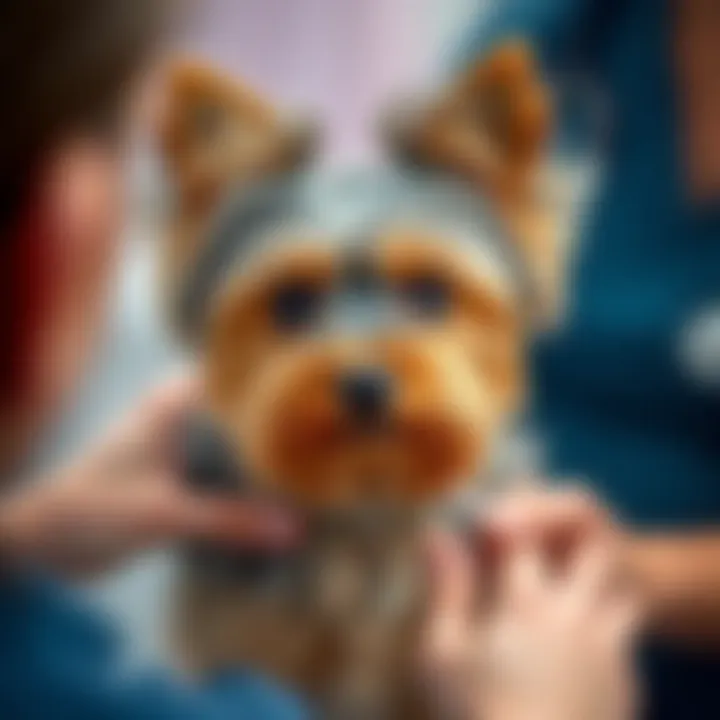
Caring for a Yorkshire Terrier goes beyond just the basics of feeding and taking them for walks. Regular care plays an essential role in maintaining their health, especially when allergies come into play. Frequent grooming does not only keep their fur looking good, but it can also help identify skin irritations caused by allergens like pollen or dust mites early on. If you neglect grooming, you might miss the initial signs of allergic reactions, which can lead to severe issues down the line.
Grooming Techniques by Pet Type
Each dog may require different grooming techniques based on their individual needs. For Yorkies, using a slicker brush is common to minimize tangles while a pin brush can be perfect for fluffing up their coat afterward. When bathing, it’s crucial to use hypoallergenic shampoos, specially designed for sensitive skin, to prevent any possible irritants from making allergies worse.
Tools and Products Recommendations
Investing in top-notch grooming tools can make a world of difference in maintaining your Yorkie's coat. Here are a few recommendations:
- Slicker Brush: Essential for detangling.
- Pin Brush: Great for daily fluffing.
- Hypoallergenic Shampoo: Always look for gentle formulas that do not contain harsh chemicals.
- Nail Clippers: Regularly keep their toenails from getting too long, which can lead to discomfort.
Seasonal Care Tips
Allergies can be particularly challenging for Yorkies during certain times of the year. Here are some handy tips for seasonal care:
- Spring: Pollen can be a major allergen. Frequent bathing and wiping their paws after walks can be helpful.
- Summer: Watch for fleas! Regular flea treatments can reduce the likelihood of allergic reactions.
- Fall: Leaves can harbor mold, which might cause kick-ups in allergies. Keep your living area clean and vacuum often.
- Winter: Salt on roads can irritate their paws. Invest in pet-safe de-icers or wash their paws after walks to prevent irritations.
"Prevention is better than cure. Engaging in consistent care can help you spot and manage allergies before they escalate into bigger issues."
In understanding the importance of grooming and overall pet care, you’re not only enhancing the quality of life for your beloved Yorkie but also reinforcing the bond between you and your pet.
Conscientious pet care goes hand in hand with keeping their health optimal, particularly when it comes to managing allergies – a crucial endeavor in any pet owner’s journey.
Prolusion to Yorkie Health
Understanding the health of Yorkshire Terriers is of utmost importance, especially when talking about their vulnerabilities, like allergies. Yorkies, with their charming personalities and lively spirits, are indeed a delight to have around. However, potential owners must remain aware that their unique health concerns can deeply affect their quality of life. It’s not just about the frequent grooming or keeping their coats shiny; it’s also about recognizing and responding to their health needs.
When diving into the health aspects of Yorkies, one finds that they are predisposed to certain conditions, chiefly allergies. These allergies can range from environmental triggers like pollen to dietary issues with specific foods. Awareness of these aspects can make all the difference for pet owners in ensuring a long, fulfilled life for their furry companions.
Benefits of Understanding Yorkie Health
By familiarizing oneself with the common health concerns surrounding Yorkies, pet owners can:
- Identify Early Symptoms: Recognizing symptoms at an early stage can prevent complications and is often key to a successful treatment plan.
- Make Informed Decisions: Knowledge about their health needs empowers owners, enabling them to choose the best veterinary care, diet, and medications.
- Enhance Quality of Life: With better health management, Yorkies can enjoy activities that are essential for their happiness, leading to a stronger bond with their owners.
It's as they say, "an ounce of prevention is worth a pound of cure." This holds true, particularly in the realm of Yorkie health. Pet owners should aim to grasp both the common and the critical health issues that may arise. After all, being proactive can ensure many years of joyful companionship.
As we advance, the spotlight will be shining brightly on allergies, exploring what they are, how they manifest in our Yorkshire Terriers, and the best paths toward keeping our tiny friends happy and healthy.
What are Allergies?
Understanding allergies is crucial for any Yorkshire Terrier owner. Allergies can lead to distress in your Yorkie and can significantly affect their quality of life. When it comes to the welfare of your furry companion, being well-informed about allergies is not just beneficial; it’s essential. This section will delve into what allergies are, types of allergies seen in Yorkies, and their implications on health and behavior.
Definition and Overview
Allergies are the immune system's response to foreign substances that are generally harmless. For Yorkies, various allergens can initiate this overreaction, resulting in an array of uncomfortable symptoms. These allergens can be anything from a particular type of food to environmental factors. When a Yorkie encounters an allergen, their immune system mistakenly identifies it as a threat, triggering symptoms like itching, sneezing, and even gastrointestinal disturbances. The understanding of allergies is fundamental for both prevention and management, enabling owners to provide appropriate care.
Types of Allergies
There are three primary types of allergies seen in Yorkshire Terriers: food allergies, environmental allergies, and contact allergies. Each one poses distinct challenges and requires a different approach for identification and management.
Food Allergies
Food allergies in Yorkies often stem from proteins they’ve consumed, like beef or chicken. This aspect is particularly relevant when considering your dog's overall diet. The most common characteristic of food allergies is the skin irritations it causes, such as excessive itching or rashes. Unlike some breeds that might have a broader tolerance for food, Yorkies tend to be more sensitive.
This kind of allergy is beneficial to highlight in this article because it emphasizes the need for owners to monitor their dog's food intake closely. A limited ingredient diet can often help pinpoint the allergen. However, it can come with its own disadvantages, such as nutritional imbalance if not balanced correctly.
Environmental Allergies
Environmental allergies are one of the more prevalent forms affecting Yorkies. These could be due to pollen, dust mites, or mold spores in their surroundings. The primary characteristic of these allergies is that they often manifest seasonally, coinciding with certain times of year when allergens are more abundant.
Discussing environmental allergies in this article allows Yorkie owners to recognize patterns and triggers. However, the downside is that completely eliminating these allergens from your dog’s environment can be nearly impossible. It emphasizes the need for management strategies instead of a perfect solution.
Contact Allergies
Contact allergies occur when a Yorkie's skin reacts to substances they touch, such as certain fabrics, plastic bowls, or topical medications. The key characteristic of contact allergies is their immediate reaction, which usually results in localized skin irritation. Knowing about contact allergies is vital for owners who provide Yorkies with varied experiences in different environments.


One unique feature of contact allergies is that, unlike food or environmental allergies, they can be relatively easy to remedy by changing the dog's surroundings or materials they interact with. However, the disadvantage here can be the uncertainty regarding which item is causing the reaction, requiring careful observation and possibly elimination of several variables to determine the culprit.
A dog's allergic reactions can manifest in various forms, and recognizing these early can be the difference between a quicker treatment and unnecessary discomfort.
Are Yorkies Prone to Allergies?
When you consider bringing a Yorkshire Terrier into your home, it's essential to understand their health, particularly regarding allergies. Allergies in Yorkies can sneak up on pet owners, manifesting in various ways that could easily be overlooked. Knowing whether these tiny dogs are generally predisposed to allergies can set the stage for preventive measures and early interventions. The stakes are high, given that allergies can affect not only the well-being of your furry friend but also your overall experience as a pet owner.
Among all breeds, Yorkies tend to demonstrate a noticeable inclination toward allergies, attributed to a combination of genetic and environmental factors. Understanding these elements can equip you with the tools to recognize symptoms early, manage flare-ups efficiently, and enhance your Yorkie's quality of life.
Genetic Predisposition
What makes Yorkies more susceptible to allergies can often be traced back to their genetics. These dogs come from a lineage that may carry specific traits leading to various allergic reactions. For instance, some studies indicate that particular breeds, including the Yorkshire Terrier, have a higher likelihood of developing skin allergies or atopy, which is an inherited condition. Affected dogs may produce excessive histamines when exposed to allergens, leading to reactions such as itching or skin irritation.
Moreover, individual Yorkies may exhibit different degrees of sensitivity even within the same genetic pool. Because these lovable canines are so closely bred, the potential for inherited health issues, including various allergies, becomes heightened. Factors like a weakened immune system or compromised skin barriers can make their allergic responses even more pronounced. This reinforces the importance of informed breeding practices and thorough veterinary check-ups to ensure your Yorkie's well-being.
Common Age of Onset
Not all Yorkies will develop allergies at the same time; however, there are trends regarding when these issues commonly surface. For many Yorkies, allergies tend to manifest in their first few years of life. Recognizing the natural timeline of allergy emergence can help you keep a keen eye on any changes in your pup's behavior or health.
Commonly, pet owners may notice symptoms such as constant scratching or periodic digestive issues beginning between six months to three years of age. As a result, being vigilant during these critical years can lead to early detection and treatment. Some owners may not think much of mild skin irritations or digestive upsets, but they can be early indicators of allergies developing.
By understanding when allergies are likely to appear, you'll be better prepared to tackle them head-on, ensuring your Yorkie's transition into adulthood is as smooth and healthy as possible.
"Identifying allergies early in Yorkies can improve their quality of life significantly. A proactive approach can lead to better management of symptoms and enhance the bond you share with your furry companion."
In summary, acknowledging the genetic predispositions and typical age of onset for allergies in Yorkies provides a clearer picture of how to care for these beloved pets. These insights not only foster a deeper understanding of your Yorkie's health but also empower you as a responsible pet parent. Monitoring your dog's well-being becomes not just a duty but a partnership in health that leads to a happier, healthier life together.
Identifying Allergy Symptoms in Yorkies
Allergies can be a real thorn in the side for Yorkshire Terriers. Recognizing the symptoms is critical for every pet owner who wants to ensure their Yorkie's health and happiness. It’s not just about keeping them comfortable; identifying allergies early can prevent more serious health complications down the line. Knowing what to look for means quicker consultations with the veterinarian, leading to effective treatment options.
Skin-Related Symptoms
Itching and Scratching
Itching and scratching are the most common signs of allergies in Yorkies. Dogs tend to scratch themselves when they're uncomfortable or irritated. This can be a searching sign of potential allergens affecting their skin. The incessant scratching may indicate a need for immediate attention. One key feature is that it might not just be localized. Often, dogs will scratch multiple places, including their face, paws, and belly. While it might seem manageable, persistent scratching can lead to skin infections, making this a double-edged sword.
Red or Inflamed Skin
Another notable symptom is red or inflamed skin. This condition occurs when the immune system reacts to something annoying. Yorkshire Terriers, with their delicate skin, may develop patches that are sore to the touch. This redness may arise with other symptoms, suggesting a more widespread allergic reaction. If left unchecked, this can lead to secondary infections since the skin barrier becomes compromised. Addressing red or inflamed skin early is vital. Proper treatment can often reverse the problem before it snowballs into something much larger.
Hair Loss
Hair loss in Yorkies is also a key indicator of allergies. This alopecia can be quite distressing to pet owners. Seeing patches of fur missing can raise alarms. It often occurs in conjunction with other symptoms like scratching, signaling underlying allergic reactions. Hair thinning or bald patches can expose the skin, making it more vulnerable to infections or further irritations. Detecting this early is crucial, as it can lead to timely interventions that might prevent long-term damage.
Gastrointestinal Symptoms
Vomiting
Vomiting is another serious signal when it comes to allergies. This can be particularly alarming for dog owners. If your Yorkie is throwing up frequently, it's essential to consider whether it may be associated with an allergy. The food they’re consuming could be a problem, or they may be reacting to something in their environment. Vomiting can lead to dehydration, and a dog that's losing fluids quickly requires not only a vet's attention but also a rethinking of dietary choices and any potential allergens.
Diarrhea
Loose stool or diarrhea can also signal allergies. It's a bit of a messy issue, but it's necessary to keep an eye on. Stool changes are sometimes overlooked. If your Yorkie's poop is softer than usual or has an unusual color, be alert. This symptom can significantly affect your dog’s hydration and energy levels. Addressing diarrhea swiftly can prevent dehydration, which becomes a pressing concern if the problem persists.
Flatulence
Flatulence is an often-gross yet necessary symptom to consider. If your Yorkie seems gassy, it might not just be from being a little too indulgent with snacks. Allergies can lead to changes in digestion and excess gas. Though some flatulence is normal, excessive gas shouldn't be dismissed. This symptom can point to dietary intolerances or other underlying health issues.
Respiratory Symptoms
Sneezing
Sneezing is a symptom that many people quickly associate with allergies. For Yorkies, a few sneezes might seem perfectly normal. However, if it turns into a persistent issue, it deserves attention. Sneezing can indicate that something in the air is irritating their nasal passages. Dust, pollen, or even mold can be potential culprits. Recognizing an ongoing pattern of sneezing can help find and eliminate environmental allergens.
Coughing
Coughing is often a more severe indicator and shouldn’t be taken lightly. If your Yorkie is coughing frequently, it could be an allergic reaction or something more serious. A persistent cough can affect their quality of life. Keeping track of when symptoms occur can help your vet determine if the issue is allergic or requires different intervention.
Watery Eyes
Lastly, watery eyes can often go hand in hand with respiratory issues. If your Yorkie's eyes seem constantly moist, this could be a sign of an allergy. It might go unnoticed, yet it’s worth noting that watery eyes can indicate a systemic response to allergens. Changes in tear production may lead to discomfort. Early identification can lead to better management, so it’s a detail not to overlook.
Understanding these symptoms can help you take proactive steps towards better care.
Recognizing the signs of allergies in Yorkies isn’t just crucial; it's imperative for their health and lifestyle. Whether it’s skin irritation, gastrointestinal distress, or respiratory issues, each symptom provides a window into the potential problems your Yorkie may face. Regular check-ups and a close eye on behaviors can make all the difference.


Diagnosing Allergies in Yorkies
Diagnosing allergies in Yorkshire Terriers is essential for several reasons. First and foremost, accurate diagnosis ensures that your Yorkie receives the right treatment and care. With the range of symptoms Yorkies can exhibit—from itching fur to gastrointestinal distress—pinpointing the exact cause of these issues is a matter of comfort and health for your pet. The sooner you identify allergies, the quicker you can mediate discomfort and improve your dog’s overall well-being.
Moreover, understanding the allergies helps in formulating a long-term management plan. Different allergies can require different approaches; whether it involves medication, dietary changes, or environmental adjustments, an informed approach makes all the difference. So, knowing the what and why behind your Yorkie’s allergies can save a lot of heartache down the line.
Veterinary Consultations
The first step towards diagnosing allergies often involves a thorough veterinary consultation. A vet will conduct a comprehensive examination of your dog, taking note of any symptoms and their severity. Your vet might ask about your Yorkie's diet, lifestyle, and exposure to potential allergens. This discussion is crucial; it can help narrow down potential causes. For instance, if your puppy frequently sneezes after going outside, environmental allergens like pollen or dust may be the culprits.
Aside from gathering a detailed history, veterinarians are equipped to perform physical exams that assess the dog’s skin, ears, and eyes. Observations made during these examinations can offer invaluable insights, leading to timely and appropriate interventions.
Allergy Testing Options
When it comes to diagnosing allergies, testing becomes a pivotal component. There are two primary types of allergy testing used for dogs: skin tests and serum tests. Understanding these will further aid in making informed decisions about your Yorkie's health.
Skin Tests
Skin tests, also known as intradermal tests, involve injecting small amounts of allergens into the skin of your Yorkie to monitor for reactions. This method stands out for its immediacy; the results can be visible within minutes. The advantage here lies in the direct assessment of how your pet reacts to specific allergens. It can provide a clear outline of what your Yorkie is allergic to, paving the way for tailored treatment.
However, there are a couple of downsides to this testing method. This approach often requires sedation for dogs, but it’s considered generally safe. Yet, the need for sedation can be stressful for some pets, and costs can also add up.
Serum Tests
On the other hand, serum tests evaluate the blood for the presence of antibodies related to specific allergens. This method does not require sedation, which is a significant advantage. It’s a less invasive procedure, appealing especially to pet owners concerned about their dog's anxiety during vet visits.
However, it’s worth noting that serum tests may not be quite as definitive as skin tests. The results can take longer, often a few days or even weeks, and sometimes false positives can occur. Nonetheless, they remain a solid choice for pet owners looking for a way to identify allergens without sedating their dog.
Remember, no two Yorkies are the same. What works for one may not be the solution for another. Monitoring and persistent follow-ups with your veterinarian can provide the best outcomes for your furry friend.
Ultimately, diagnosing allergies in Yorkies requires a thoughtful combination of veterinary consultation and appropriate testing methods. Staying informed and working closely with a professional ensures that you’re well-equipped to manage any allergy-related issues that may arise.
Treatment Options for Allergies
When it comes to managing allergies in Yorkshire Terriers, understanding treatment options is crucial. Yorkies can have varying reactions to allergens, which may impact their overall health and well-being. Therefore, finding effective treatments not only alleviates discomfort but also significantly enhances their quality of life. While some solutions may be straightforward, others require careful consideration and guidance from veterinary professionals. This section delves into various treatment avenues that can help your Yorkie breathe easier and itch less.
Medications
Antihistamines
Antihistamines are one of the go-to treatments for many allergy sufferers, including Yorkies. Essentially, these medications work by blocking the effects of histamine, a chemical released during allergic reactions. A key characteristic of antihistamines is that they can provide quick relief from symptoms like itching and sneezing. In fact, many pets respond favorably to these drugs, making them a popular choice for owners looking to manage mild to moderate allergy symptoms.
A unique feature of antihistamines is that they are often available over the counter, offering a convenient option for owners. However, it's important to keep in mind that not all antihistamines designed for humans are safe for dogs. Therefore, a vet's guidance is essential to ensure the correct dosage and type are used.
Advantages of antihistamines include their fast action and accessibility, but disadvantages might involve varying efficacy among individual dogs and potential drowsiness.
Corticosteroids
Corticosteroids are anti-inflammatory drugs that can be very effective in treating severe allergy symptoms. Their key characteristic lies in their ability to swiftly reduce inflammation and suppress the immune response. This makes corticosteroids a beneficial choice, especially for dogs suffering from severe itching or skin infections due to allergic reactions.
The unique feature of corticosteroids is their versatility in administration—whether orally, topically, or via injection, they can be tailored to best suit the needs of your Yorkie. However, pet owners should be aware that long-term use can lead to serious side effects, such as weight gain or increased thirst, making careful monitoring essential.
Advantages include rapid relief from severe symptoms, while the disadvantage is the risk of potential health complications with prolonged use.
Immunotherapy
Immunotherapy, often referred to as allergy shots, is a longer-term treatment method aimed at addressing the underlying issues of allergies. It works by gradually desensitizing the pet's immune system to specific allergens, ultimately helping your Yorkie build a tolerance. This method is particularly useful for environmental allergies that are difficult to manage through other means.
One key characteristic of immunotherapy is its ability to provide sustained relief over time. Many pet owners find this to be a valuable investment, as it often means fewer ongoing medications. The unique feature of this treatment is that it involves testing to pinpoint exact allergens, which allows for a tailored approach to your pet’s treatment.
While immunotherapy tends to be well-tolerated, advantages include a gradual reduction in allergy symptoms, the downside, however, is that it can be costly and time-consuming, often requiring months before seeing significant results.
Dietary Modifications
Limited Ingredient Diets
When managing food allergies in Yorkies, limited ingredient diets can be particularly helpful. These diets contain fewer components, making it easier for owners to identify specific food triggers. A key characteristic is that they are often based on a single-source protein and carbohydrate, which minimizes the risk of allergic reactions.
This diet is beneficial because it simplifies the food choices available, and many dogs thrive on such diets that focus on quality over quantity. The unique feature is its customizability based on a dog's preferences and nutritional needs.
Advantages include the ability to identify problematic foods easily, but the disadvantages might involve nutritional imbalances if not managed correctly.
Hydrolyzed Protein Diets
These diets are designed for Yorkies with severe food allergies. They are made from proteins that have been broken down into smaller components, making them less likely to trigger an allergic response. The key characteristic here is their scientific basis; they provide a hypoallergenic option that most dogs can tolerate.

This makes them a beneficial option for pets with confirmed food allergies. One of their unique features is the extensive testing that goes into formulating these diets, ensuring a high level of safety and efficacy.
Advantages include a lower risk of allergic reactions. On the flip side, such diets can be more expensive and may require a prescription, which limits accessibility for some owners.
Environmental Changes
Allergen-Control Strategies
For Yorkies suffering from environmental allergies, implementing allergen-control strategies can offer substantial relief. This approach involves identifying and reducing exposure to allergens that trigger reactions. A key characteristic of these strategies is that they focus on lifestyle adjustments rather than simply alleviating symptoms with medications.
They are beneficial because they not only reduce allergen exposure but also promote a healthier living environment for your pet. A unique feature is that various methods can be combined, such as avoiding certain outdoor activities during high pollen seasons or using air purifiers indoors.
While advantages include proactive measures to minimize allergy symptoms, disadvantages may arise from the need to consistently maintain these changes, which can be more demanding for some homeowners.
Cleaning and Maintenance
Regular cleaning and maintenance can significantly reduce allergens in a Yorkie's environment. Keeping the home tidy and free from dust, pet dander, and pollen creates a healthier space for your furry friend. The key characteristic of this approach is its preventive nature, as regular upkeep can drastically reduce allergy flare-ups.
Cleaning routines can involve vacuuming, washing pet bedding frequently, and utilizing air filters. It's a beneficial approach that keeps your home fresh. A unique feature of this method is that it’s a straightforward, cost-effective way to improve your dog's living conditions without specific medications.
On the one hand, advantages include maintaining a cleaner environment that may ease allergy symptoms, but the disadvantages could include the time and effort needed to keep up with such cleaning regimens regularly.
Preventative Measures for Yorkie Allergies
When it comes to ensuring the health and happiness of Yorkshire Terriers, preventative measures mustn’t be overlooked, especially regarding allergies. Allergies can greatly diminish a Yorkie's quality of life. Therefore, understanding how to prevent these issues is crucial. By adopting proactive strategies, not only can you reduce the chances of your pet developing allergic reactions, but you also create an environment that fosters overall well-being.
Regular Veterinary Check-ups
Nothing beats a solid relationship with your veterinarian when it comes to preventing health problems, including allergies. Regular veterinary check-ups should be on every Yorkie owner’s calendar, just like birthdays or anniversaries. These appointments allow for early detection of potential allergy triggers that might not yet show obvious symptoms.
During a routine check-up, your vet can assess your Yorkie's skin, coat, and general health as a preemptive measure against allergies. Moreover, education is key. Your vet can inform you about the specific allergens prevalent in your area. If seasonal allergies are a concern, your vet could recommend appropriate timing for certain treatments or remedies. Always keep an open line of communication; share any concerns or observed changes in your Pet’s behavior.
"Prevention is better than cure."
An ounce of prevention is truly worth a pound of cure. By taking this adage to heart, you’ll potentially save your Yorkie from the discomfort of allergies and avoid the stress of dealing with severe allergic reactions.
Monitoring Food Intake
Food plays a significant role in the prevention of allergies. A Yorkie's diet could be your first line of defense against allergic reactions. Some Yorkies can develop sensitivities to certain ingredients found in their food. Monitoring what goes into their bowls helps avoid potential allergens.
To start, switch to high-quality dog food that lists ingredients clearly. Try to avoid unnecessary fillers, which may exacerbate sensitivity issues. Keep a food diary of what your Yorkie eats, noting any changes in their skin and behavior. If you observe signs that suggest an allergy flare-up, consider consulting your vet about switching to a limited ingredient diet or hydrolyzed protein diet. Gradually introducing new foods can also be beneficial.
Benefits of Preventative Measures
Implementing these preventative measures not only safeguards the health of your Yorkie but enhances your bond with your pet. A healthy dog is a happy dog, and the last thing you want is to see your furry companion suffer due to easily preventable issues. Plus, with fewer allergy-related vet visits, you might find that you save time and money in the long run.
As a Yorkie owner, being vigilant about your pet’s health is a responsibility that comes with the territory. By prioritizing regular veterinary check-ups and closely monitoring food intake, you are well on your way to fostering a healthier, happier life for your beloved Yorkshire Terrier.
Managing Life with a Yorkie with Allergies
Owning a Yorkshire Terrier can bring immense joy, but it also comes with its share of challenges, especially when allergies come into play. Caring for a Yorkie with allergies is more than just understanding what triggers their discomfort; it’s about creating an atmosphere of safety and fostering a routine that mitigates their symptoms. Knowing how to manage your dog’s allergies effectively can considerably improve their quality of life, making it easier for both the pet and the owner to coexist happily.
It's vital for pet owners to develop an awareness of potential signs that their Yorkie might be suffering from allergies. This not only helps in addressing the issue quickly but also paves the way for implementing effective management strategies.
Signs of Allergy Flare-ups
Recognizing the signs of an allergy flare-up in your Yorkie is the first step towards effective management. Allergies can manifest in various ways, and being vigilant can help catch flare-ups before they escalate. Common indications include:
- Increased Itching and Scratching: If your Yorkie seems to be scratching more than usual, take note. It could be that allergens are irritating their skin.
- Red or Inflamed Skin: Look for any signs of redness or swelling. A quick inspection can help you identify problem areas.
- Hair Loss: Notice patches of hair loss? This may be due to constant scratching or licking.
- Gastrointestinal Disturbances: Keep an eye on changes in eating habits, vomiting or diarrhea, which might indicate a food-related allergy.
- Respiratory Symptoms: Frequent sneezing or watery eyes could indicate environmental allergens.
When these symptoms surface, it’s a signal to take action. The sooner you pinpoint these signs, the more effective your management strategies can be.
Emergency Situations
Knowing how to handle emergency situations when your Yorkie experiences acute allergy reactions is crucial. Some allergic reactions can pose serious health risks if not addressed promptly. Here are some tips for managing these emergencies:
- Recognize Anaphylaxis Symptoms: In rare cases, Yorkies can experience severe allergic reactions known as anaphylaxis. Signs include swelling of the face, difficulty breathing, and rapid heart rate. If you observe these symptoms, seeking veterinary care immediately is essential.
- Be Prepared: Having a first aid kit that includes antihistamines, or any medication recommended by your vet can be a lifesaver during an allergic reaction.
- Know Your Limits: In some situations, your Yorkie's condition might worsen quickly. If symptoms translate into trouble breathing or excessive swelling, don’t hesitate to rush to the emergency veterinary clinic.
As a Yorkie owner, keeping your dog’s environment as allergen-free as possible and knowing how to react to flare-ups can dramatically improve your dog's quality of life. Your proactive approach not only provides comfort to your dog but also builds a compassionate bond through attentive care. For more resources on understanding pet allergies, you can visit Wikipedia or check forums on Reddit, where other pet owners share their experiences and tips.
Finale
In wrapping up our exploration of allergies in Yorkshire Terriers, it is astoundingly clear that understanding this topic holds significant weight for both pets and their owners. Yorkies, with their delicate systems, can suffer immensely if allergies go unrecognized or untreated. This makes being proactive rather than reactive a vital strategy.
Significance of Knowledge
Being aware of the types of allergies that can affect Yorkies not only helps in identifying symptoms sooner but also plays a crucial role in improving their quality of life. Each individual Yorkie may react differently to various allergens, making it essential for owners to be vigilant. A well-informed owner can differentiate between simple skin irritations and something more serious. This awareness is a game changer—catching symptoms early can often lead to quicker resolutions and less discomfort for the dog.
Benefits of Proactive Management
Engaging with a vet early on in the process ensures that your Yorkie's allergies are managed effectively. Medications, dietary adjustments, and environmental control can significantly alleviate symptoms. Regular check-ups also allow for reassessing the dog's health situation over time, adapting as needed. By taking these steps, owners contribute to a smoother, happier life for their furry companions. A well-managed allergy situation lessens not only the physical symptoms for the dog but also the emotional strain on pet owners.
Considerations in Care
However, it’s important to remember that living with a Yorkie with allergies requires more than just understanding. It also takes commitment and compassion. Owners must keep a close eye on their pet’s diet and environment, which can be demanding but rewarding work. Equally crucial is fostering an understanding of acceptable care routines, ensuring that the Yorkie feels as comfortable as possible in its home environment.