Training Your Dog to Skateboard: A Complete Guide
Intro
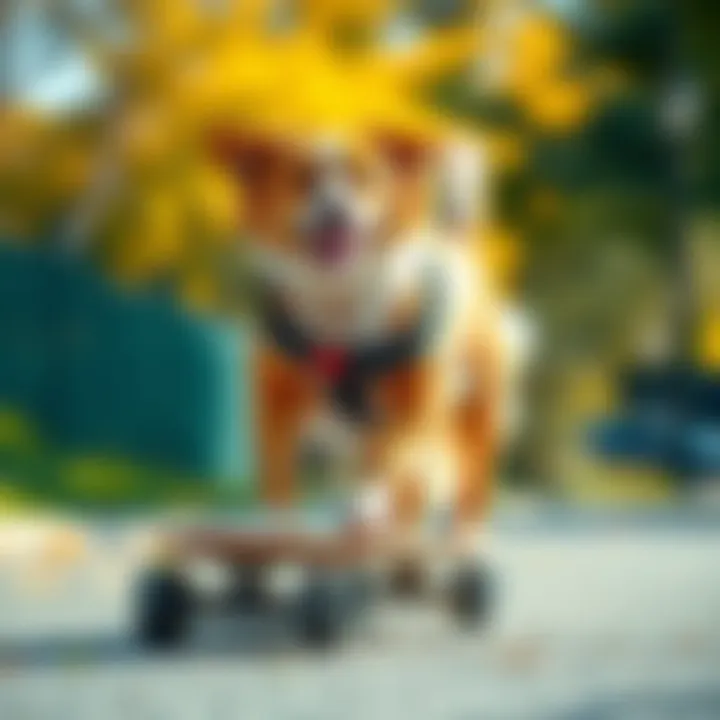
Training your dog to skateboard may sound a bit unconventional, but the bond it creates between you and your furry friend is truly priceless. It’s a blend of fun and skill—something that can transform a typical day into an adventure. This guide combines the nitty-gritty of the training process with insight into the unique personalities of different dog breeds. The importance of understanding your dog's behavior cannot be understated here; it’s the key to unlocking their willingness to learn new tricks, especially one like skateboarding. Prepare for a journey that involves patience and a whole lot of treats!
Pet Care and Grooming
When your dog is hitting the pavement, regular care and grooming are essential to keep them in tip-top shape. Fostering good hygiene helps not only with their health but also enhances the experience of training. A clean, comfortable pup is more likely to enjoy new activities, such as skateboarding.
Importance of Regular Care
Regular grooming goes a long way. Beyond aesthetics, it serves practical purposes; it helps prevent matting in long-haired breeds and rids your dog of dirt and debris. Plus, it’s an opportunity to check for any unusual lumps or skin irritations. If you’re training your dog in a new environment (like a skateboard park), they’ll encounter all sorts of mess—so pre-training grooming is a must.
Grooming Techniques by Pet Type
Different dog breeds have unique grooming needs:
- Short-haired breeds like Beagles: A quick brush with a rubber curry comb is usually all they need.
- Long-haired breeds like Golden Retrievers: Regular brushing helps avoid tangles and mats in their fur.
- Hypoallergenic breeds like Poodles: These dogs require regular trims to prevent matting, alongside frequent brushing.
Tools and Products Recommendations
Investing in the right grooming tools can make all the difference:
- Brushes: For instance, a slicker brush works wonders for longer fur, while rubber brushes are best for short-haired breeds.
- Shampoo: Use a gentle, pet-safe shampoo. Brands like Earthbath or Pet Head provide excellent options.
- Nail Clippers: Regular nail care is crucial—choose a good pair of clippers or an electric tool like the Dremel for quick trims.
Seasonal Care Tips
During summer, paw pads can suffer from hot asphalt, so consider dog booties for protection. In winter, snow and ice can be tough, so regular checks for snow buildup between toes are necessary.
Health and Nutrition
A skateboard is heavy duty—much like the commitment needed for proper health and nutrition. You can’t expect a pup to excel at boarding if they’re not feeling their best. Feeding your dog a balanced diet sets the stage for all sorts of activities.
Understanding Pet Nutrition
Not all dog foods are created equal. To keep your dog’s energy up, pay attention to their nutritional needs based on age, weight, and activity levels. Look for foods that list meat as the first ingredient and avoid fillers like corn or soy, which provide little nutritional value.
Common Health Issues by Species
Different dog breeds come with different health predilections. Large breeds may experience joint issues, while small breeds could be susceptible to dental problems. Tailor your training sessions to ensure that your dog's health status is taken into account.
Preventive Care and Regular Check-Ups
A visit to the vet every six months can help keep health in check. Routine vaccinations and heartworm prevention are part of a solid preventive care plan.
Food and Dietary Advice
Consider integrating fresh veggies like carrots and peas as healthy treats in your dog’s diet. Some breeds benefit from diets rich in Omega-3 fatty acids, while others may require extra proteins.
Behavioral Training
Training your dog is not just about commands; it’s about building a relationship. One of the best methods for fostering this connection is positive reinforcement.
Basics of Positive Reinforcement
Using treats as a reward for desired behavior works wonders. When your dog performs a trick (like hopping on a skateboard), shower them with praise and treats. This encourages them to repeat the action, creating a cycle of positive behavior.
Training Techniques Users Can Apply
Begin with basic commands. Once your dog grasps sit, stay, or shake, you can gradually introduce the skateboard as a command. Start with the board stationary and reward them for getting near it, then move on to having them place their paws on it.
Managing Behavioral Issues
If your dog takes to barking or showing reluctance, don’t force the issue. Instead, take a step back and reassess the environment. Sometimes a change of scenery or time away from the board can reignite their interest.
Importance of Socialization
A well-socialized dog is typically more willing to try new things. Introducing your dog to various settings and people will enhance their confidence.
Engaging Activities and Enrichment
Once your dog is comfortable with the skateboard basics, keeping their mind stimulated is important. Engaging activities can be a game changer.
Fun Games to Play with Your Pet
Try games like fetch or hide and seek to burn off energy. These not only help with training but also develop your dog’s problem-solving skills.
DIY Toys and Activities
Consider making DIY toys—like a bottle filled with treats, which encourages your furry friend to work for their reward. It’s like a little puzzle that keeps them entertained.
Importance of Mental Stimulation
Keeping your dog mentally sharp is as important as physical training. Mental fatigue can tire them out just as much as running a mile.
Outdoor Adventures and Exploration
Explore parks, or consider taking them to dog-friendly skate parks once they are comfortable on the board. A change of scenery adds excitement, and expending that energy can lead to better concentration during training.
Resources and Community Engagement
Lastly, connecting with fellow pet owners can broaden your horizons. Sharing experiences can lead to new insights.
Recommended Books and Websites
- "The Power of Positive Dog Training" by Pat Miller, available on websites like Amazon.
- Dogs Trust provides ample resources on positive training approaches.
Forums and Groups for Pet Owners
Reddit has great subreddits like r/dogs where you can engage in conversations with other dog owners. Joining groups on Facebook focused on your breed can also offer unique insights.
Finding Local Services and Classes
Search for pet training classes in your area. Websites like the Association of Professional Dog Trainers can help you find certified instructors.
Encouraging Community Sharing and Contributions
Consider volunteering at a local animal shelter. It not only enriches your experience with dogs but allows you to learn from experienced trainers and pet lovers.
The journey of bolding your pup's skills goes beyond the tricks themselves—it's about fostering a unique bond that enhances your life and theirs.
Understanding the Basics
Understanding the foundational elements of teaching your dog to skateboard is crucial for both success and safety. This section lays the groundwork by explaining how dogs instinctively behave and how skateboarding can foster a meaningful bond between you and your furry friend. While you may think of skateboarding as just a fun activity, it can also serve as an enriching experience that taps into your dog’s natural tendencies and instincts.
The Dog's Natural Instincts
When considering skateboarding, it’s important to recognize that dogs have specific instincts that can either facilitate or hinder their learning process. For instance, dogs are naturally curious creatures; they love exploring and experimenting with new objects within their environment. Skateboards, with their unique shapes and movements, undoubtedly pique their interest. However, a dog’s instinctual behaviors, like their need for safety and stability, play a pivotal role in how they interact with this unfamiliar object.
Skateboarding can actually align with some fundamental dog behaviors. Many dogs have an innate drive for play and physical activity, which makes them prone to try new things, like riding a skateboard. This playful attitude can be harnessed during training. For example, while some breeds might leap right onto the board out of sheer curiosity, others may hesitate. It’s essential to approach this learning process with patience, recognizing that every dog’s instinctual response is a clue to understanding their comfort level.
Furthermore, using their natural instincts positively is key—celebrating successes, even small ones, reinforces good behavior. In essence, knowing your dog’s unique tendencies and respecting their comfort zone can ensure that the journey to skateboarding is enjoyable for both you and your pet.
Benefits of Skateboarding for Dogs
Engaging your dog in skateboarding can bring many benefits beyond the immediate thrill of riding. Here are some advantages that make this a worthwhile endeavor:
- Physical Exercise: Skateboarding provides an excellent workout for dogs, helping them burn off excess energy that might otherwise lead to destructive behaviors.
- Mental Stimulation: Learning new tricks and navigating a skateboard challenges your dog's cognitive abilities, keeping their minds sharp.
- Bonding Experience: Working closely with your dog during the training process deepens your relationship, fostering trust and understanding.
- Socialization Opportunities: Skateboarding can expose your dog to different environments, people, and other pets, enhancing their sociability.
"Skateboarding is not just about movement; it’s about connection. When both you and your dog participate, it creates a rhythm of trust and fun."
By understanding the basics of your dog's instincts and the benefits of skateboarding, you set a solid foundation for your training journey. As you progress in this guide, the following sections will elaborate on how to select the right dog for this activity and the practical techniques to employ during training.
Choosing the Right Dog
Selecting a suitable canine for skateboarding is crucial to ensure a harmonious and enjoyable experience. While some dogs may take to the board like fish to water, others might find the whole situation quite perplexing. Selecting the right dog for this unique activity involves understanding your pet's traits, temperament, and energy levels.
Every breed has its own characteristics, so doing some research will help you find a good match. Not every dog is cut out for the skateboarding lifestyle; understanding what makes a breed more compatible with this activity can save time and, perhaps more importantly, enhance the bonding experience with your furry friend.
Ideal Breeds for Skateboarding
If you’re on the hunt for a four-legged skateboard buddy, certain breeds tend to excel in this arena. Consider breeds like:
- Australian Shepherds: With their intelligence and agility, they thrive on participating in activities that require movement and coordination.
- Border Collies: Known for their high energy levels and ability to learn quickly, these dogs can be great at mastering the tricks you teach them.
- Jack Russell Terriers: Small but mighty, their adventurous spirit makes them eager to hit the roads on a skateboard.
- Pit Bulls: They are strong and resilient, often ready to tackle challenges, including balancing on a board.
- Dachshunds: While they may be short, their determination can surprise many. Just make sure to choose a board that accommodates their size.
Although the breeds mentioned are popular among skateboard dogs, it’s crucial to remember that individual personalities differ. A Chihuahua might not be the first breed you think of for skateboarding, but if it has a daring spirit, it deserves a chance to shine.
Assessing Your Dog’s Personality
Apart from breed characteristics, delving into your dog's individual personality is equally essential. Every pooch has a personality just waiting to be tapped into. Observe these traits:
- Curiosity: Is your dog intrigued by new things? A curious dog is more likely to be willing to try new activities, like skateboarding.
- Confidence: Does your dog display confidence in social settings? A confident dog will likely adapt better to the wobbly nature of riding a skateboard.
- Energy Levels: High-energy dogs naturally want to be active. If your dog is always bouncing off the walls, it might find joy in the thrill of skateboarding.
- Social Behavior: Assess how your dog interacts with other animals and people. A dog that enjoys social dynamics might benefit from the skateboarding community.
In summary, the pursuit of finding a good skateboard companion should be informed both by breed traits and by individual personality. As you explore your options, keep a sharp eye on how your dog engages with its environment. This assessment is far from trivial; it will make or break the experience for both of you.
Remember: A dog that feels comfortable and confident is far more likely to embrace the skateboarding journey.
Essential Equipment
When it comes to training your dog to skateboard, having the right equipment is paramount. Think of it like this: you wouldn't send your child out to play on the monkey bars without the proper footwear. The same principle applies here. The skateboard you choose can set the stage for a positive experience, while the safety gear protects your furry friend from potential mishaps. Let’s breakdown the significance of each element.
Selecting the Right Skateboard
Selecting the right skateboard is more than just a matter of aesthetics or brand names. There are various factors to weigh in when picking a skateboard suitable for your dog. Here are some things to consider:
- Size Matters: A skateboard that's too big or too small can hinder your dog’s ability to balance. Opt for a board that has adequate real estate for their paws but isn’t too bulky.
- Material Choice: Most skateboards are made of wood or plastic. While a wooden board might offer more durability, it could also be heavier. A lightweight board lets your dog move quickly without risk of wobbling.
- Wheel Stability: Width and material of the wheels can affect ride quality as well. Wider wheels provide better stability which is essential for beginners still finding their footing on the board.
- Grip Tape: A board featuring grip tape can help maintain your dog’s balance. Look for boards with good traction to give your dog the grip needed to stay put while learning.
By keeping these points in mind, you can select a skateboard tailored to your dog’s needs, providing a smooth start to their new hobby.
Safety Gear for Your Dog
Safety gear is not just an afterthought; it’s a crucial part of the training regimen. Although dogs are typically pretty spry, they are not invincible. Accidents can happen. Here’s how you can ensure your dog remains protected during their skateboarding sessions:
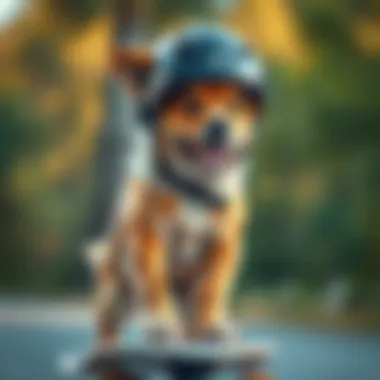
- Dog Helmet: Just like humans, dogs need head protection. Helmets can prevent head injuries, especially when learning to balance on the skateboard. Ensure the fit is snug but not too tight.
- Protective Pads: Elbow and knee pads are important, as they cushion impacts against hard surfaces. These can help to prevent injuries as your dog learns how to navigate turns and stops.
- Reflective Gear: If you're planning to train in low-light conditions, reflective gear is essential for visibility. Strap some reflective bands around your dog’s body to make sure they’re seen.
- Comfortable Harness: A well-fitted harness provides better control during training sessions and minimizes the chance of injury or escape.
"An ounce of prevention is worth a pound of cure." Taking the extra steps to equip your dog with safety gear can save you from a trip to the vet and give you peace of mind as your pup learns to ride.
Creating a Safe Training Environment
Creating a safe training environment is paramount when it comes to teaching your dog to skateboard. Safety is not just about ensuring your pet doesn’t sustain physical injuries; it encompasses the overall psychological well-being of your furry friend during the training process. There's a certain peace of mind that comes from knowing your dog is both safe and comfortable in their surroundings, allowing them to focus on learning new tricks rather than being anxious or scared.
Choosing the Right Location
Selecting the right location for your dog’s skateboard training cannot be overstated. You might want to avoid bustling areas where distractions abound, such as busy streets or playgrounds. A quiet, spacious park with smooth, flat surfaces is often ideal, allowing your dog to roll around freely without the hazards that can come from uneven terrain or obstacles.
When evaluating potential locations:
- Look for an area with a hard surface, free of rocks or debris.
- Ensure your location is well-lit for early morning or late evening training sessions.
- Consider the ground temperature; asphalt can heat up quickly in the sun, which may burn your dog’s paws.
Keeping your dog’s comfort in mind is key to fostering a positive learning experience. Dogs often thrive in familiar environments. If you train in a place where they frequently walk or play, they might feel more at ease and open to new activities like skateboarding.
Minimizing Distractions
Distractions are everywhere, and addressing them effectively is another layer of safety in your training plans. Outside noises, other animals, and even other people can divert your dog’s attention away from the task at hand. Here are some handy tips to help keep distractions at bay:
- Start training in a confined area, away from other pets and children. Gradually introduce more stimulating environments as your dog gains confidence.
- Use visual barriers, such as cones or simple fences, to help your dog focus on the skateboard instead of passersby or other activities around.
- Teach your dog a "focus" command, which encourages them to maintain eye contact with you amidst distractions. This command can help redirect their attention back to you, ensuring they’re engaged with the task of skateboarding.
"A dog that feels secure in its surroundings will be more open to exploring new experiences and learning new skills."
By carefully choosing your location and minimizing distractions, you set the stage for a safe and effective training environment. It creates a foundation for your dog’s skateboard journey, ensuring that they not only enjoy the process, but also remain as safe as possible.
Basic Training Principles
Training a dog to skateboard is not just about getting your furry friend on a board and pushing them off. It's a fine art that incorporates fundamental training principles which, if executed correctly, can lead to a rewarding and enjoyable experience for both dog and owner. At their core, these principles revolve around understanding how dogs learn, what motivates them, and constructing a learning environment that is both safe and engaging.
By implementing effective training strategies, pet owners can foster a bond built on trust and understanding, which is vital as the dog learns to navigate this new skill. This segment will explore using positive reinforcement and breaking down skills into manageable parts.
Using Positive Reinforcement
Positive reinforcement is a crucial pillar in dog training, especially in the realms of skateboarding. The principle is simple: reward desired behaviors to encourage their repetition. When a dog performs a trick correctly—whether it’s simply stepping onto the skateboard or balancing for a few moments—offering treats, praise, or toys helps cement that behavior in their mind.
The structure of positive reinforcement can often involve the following steps:
- Identify Rewards: What makes your dog tick? It could be their favorite treats, a cheeky scratch behind the ears, or even a fun game of fetch. Knowing what your dog loves can make training sessions more effective.
- Timing is Key: Rewards should come immediately after a desirable behavior. If the dog steps onto the board, a treat should follow quickly so they connect the action with the reward.
- Consistency Matters: Just like humans, dogs thrive on predictability. Therefore, maintaining a consistent approach in your commands and rewards helps reinforce learning and minimizes confusion.
A noteworthy point is to keep training sessions short but frequent. Dogs, especially puppies, may have short attention spans, so compact training time with plenty of breaks may enhance focus and retention.
"You can’t train a dog with just a treat, you have to train with a relationship."
Breaking Down the Skills
Breaking down complex skills into smaller, more manageable tasks is essential in dog training, particularly in skateboarding. Dogs, much like humans, benefit from learning in increments. Without proper segmentation of skills, the task of getting a dog to skateboard can feel overwhelming.
Start with the foundational skills:
- Get Familiar: Introduce the skateboard gradually. Allow the dog to sniff and explore the board while it’s stationary. This step is all about comfort and familiarity.
- Paw On Board: Encourage the dog to place a paw on the skateboard. You might need to use treats to coax them into this action. Once they place their paw on the board, reward them generously.
- Weight Shifting: Once they are comfortable with a paw on the board, begin encouraging them to put both front paws on it. Reward them for doing so! This phase is crucial for their balance and confidence.
- Completing the Stance: Work towards having them stand on the skateboard with all four paws, even if it’s just for a few seconds initially. All along, use positive reinforcement to create happy associations with the skateboard.
By implementing a structured approach to breaking skills down, you're enabling your dog to progress at their own pace, reducing the chances of frustration on both your parts. This methodical route allows for building confidence and mastery little by little, paving the way for a successful journey into skateboarding.
Step-by-Step Training Guide
The art of teaching your dog to skateboard isn't just about throwing them on a board and hoping for the best. A thoughtful approach, guided by a structured step-by-step training regimen, transforms this unique activity into an enjoyable journey for both dog and owner. Through each phase of training, from the initial introduction to advanced tricks, the steps are designed to build a solid foundation of trust and communication between you and your canine companion.
Introducing the Skateboard
When the skateboard first shows up, it's essential to let your dog explore it at their own pace. Start by placing the board on a flat surface in a familiar area; this helps eliminate unnecessary anxiety. Allow your dog to sniff it and get comfortable with its presence. You might even encourage them to step on it by placing some treats on the board. This is the first significant step in creating a positive association with the skateboard.
- Here are some tips for this phase:
- Use treats liberally to lure your dog closer to the board.
- Stay calm; dogs can sense your emotions. If you’re relaxed, they'll likely relax too.
- Observe their body language. Tail wagging and relaxed ears are good signs. If they seem scared, take a step back and give them more time.
Encouraging Balance
Next comes balance, a critical skill for skateboarding! A dog on a wobbly board is not only unbalanced but will also be nervous. Start with stationary balance exercises by gently pushing the board while your dog stands on it. Stand beside them and offer treats for any attempts to stabilize themselves. Over time, the goal is to help your dog feel secure while on the skateboard.
- Consider these actions:
- Start with short sessions — keep it under 5 minutes initially.
- Gradually increase duration as they become more comfortable.
- Reward like a pro. Every small achievement deserves a treat or a verbal praise. This reinforces their efforts.
Mastering Movement
Once your dog is confident balancing on the skateboard, it’s time to move. Begin by lightly pushing the board and encouraging your dog to experiment with their legs to find their footing. Use a leash if necessary, but don't pull; encourage forward movement with a gentle nudge and an eager tone. Your ultimate aim at this stage is to merge movement with their balance.
- Keep these points in mind:
- Don’t rush; patience is key. Some dogs pick this up quickly, while others need a little extra time.
- Keep the surface as smooth as possible so they won't get startled by bumpy movements.
- Introduce commands like "go" or "roll" when they start moving to create a connection between the command and the action.
Building Confidence
Confidence is paramount. A dog that feels secure will skate with joy rather than fear. Use positive reinforcement throughout your training. Celebrate their progress, no matter how small. If they take a little hop on the skateboard, reward that behavior. Show them that skateboarding is not only safe but fun!
- Here are some methods to boost their confidence:
- Create a positive environment. Frequent practice with varied equipment helps them adapt.
- Introduce other dogs who skateboard, if possible. They can learn a lot just by observing their peers.
- End training sessions on a high note. If they achieve something, no matter how small, wrap things up positively.
"A dog is the only thing on earth that loves you more than he loves himself." — Josh Billings
For more tips on canine training techniques, check out Dog Training Resources.
Continue to foster your dog’s passion for skateboarding, as this unique activity opens doors to exciting experiences and deeper companionship.
Common Challenges and Solutions
Training your dog to skateboard can be an exhilarating experience, but it's not all smooth sailing. Just like any other skill, skateboard training comes with its own set of hurdles. Understanding these challenges and being prepared with solutions is essential for a successful journey. Whether your dog is timid around strange objects, or they can’t resist chasing after squirrels, knowing how to address these common issues will help in building a trusting relationship between you and your furry friend.
Overcoming Fear of the Board
Fear can be a major roadblock when it comes to teaching dogs anything new, and skateboarding is no exception. When first presented with a skateboard, many dogs might hesitate, back away, or show signs of anxiety. Understanding this fear as a natural response can help owners take the right steps to ease their dogs into skateboarding.
Here are effective strategies:
- Gradual Exposure: Start with the skateboard placed on the ground. Let your dog sniff and explore it at their own pace. This enables them to familiarize themselves with the object.
- Use Treats and Positive Reinforcement: Encourage your dog to approach the board using treats, clapping, or a gentle voice. Positive associations can work wonders.
- Incorporate Play: Turn the experience into a game. By tossing a favorite toy or treat near the skateboard, you can encourage them to venture closer without forcing them.
- Be Patient: It's crucial to allow your dog to move at their own pace. Pushing them too quickly can cause more fear rather than build confidence. Remember, patience is key.
Emphasizing positive experiences can go a long way in helping your dog feel more comfortable around the skateboard.
"Be it a timid pup or a raucous breed, patience makes the heart grow fonder in training."
Dealing with Distraction
Once your dog starts getting used to the skateboard, the next hurdle may be distractions. Dogs are curious creatures. Everything from other pets, people passing by, to sounds in the environment can divert their attention when you’re aiming to focus on training. Tackling distractions can significantly enhance your sessions.
Here’s how you can steer clear of this pesky problem:
- Choose Quiet Training Times: Training your dog during off-peak hours can reduce the chances of interactions with other people or pets. Early mornings or late evenings may be best.
- Use a Controlled Environment: Start training in a backyard, garage, or any enclosed space away from the usual distractions. This will help your dog focus solely on the task at hand.
- Build Focus with Short Sessions: Keep training sessions short but frequent. A 5-10 minute session can be much more effective than a long one, especially in a distracting environment.
- Utilize Commands: Basic commands, like "sit" or "watch me," help regain your dog's attention when distractions arise. Consistently applying these commands can reinforce their training.
By addressing distractions proactively, owners can create a more fruitful learning environment, allowing their dogs to focus on mastering the skill without other interruptions.
In summary, these common challenges can serve as necessary stepping stones in your dog’s skateboard training. By addressing fear and distractions head-on, you will nurture a more confident and cooperative companion.
Advanced Tricks and Techniques
Developing advanced skills in skateboarding not only enhances the experience for both you and your dog, but it also strengthens the bond between you two. Once your dog has mastered the basics, such as getting on the board and maintaining balance, it’s time to delve into more complex maneuvers. These tricks can provide both mental stimulation and physical exercise, which are crucial for a dog's overall well-being. Here, we’ll explore navigating curves and performing jumps, two techniques that can elevate the skateboarding skills of your furry friend.
Navigating Curves
Curving may seem like a simple task for a seasoned skateboarder, yet it can present challenges for your dog. Mastering curves allows dogs to follow their human companions with grace and fluidity instead of maintaining a straight line.
- Understanding the Dynamics: Dogs often rely on their instincts to adjust their weight and bearings. Start slow. Try having your dog practice on gentle slopes or around cones. This helps to build their confidence in making turns while onboard.
- Incorporating Positive Reinforcement: Praise and treats during this stage are key. Encourage your dog each time they correctly lean into the curve. It can be rewarding for them and strengthens their connection to the activity.
- Practice, Practice, Practice: Regular practice is important. The more your dog skates around curves, the more natural the motion will become. Experiment with both tight and wide curves to give your dog exposure to different navigational styles.
"Every time your dog successfully completes a curve, it’s not just a win in skateboarding, but a confidence booster that reflects in their overall behavior."
Performing Jumps
Jumping is an exhilarating aspect of skateboarding that many dogs enjoy. However, it requires precision, timing, and a lot of practice.
- Start Smaller: Begin with lower obstacles. Use a small ramp or something similar that your dog can easily jump over. Make sure your dog understands how to safely land as well.
- Building Up: Increase the height gradually as your dog gains confidence. Never rush this process, as each dog has their own comfort levels.
- Use Visual Cues: To help your pet learn to jump, use visual cues, directional commands, or even your body language to guide them. Positive reinforcement still applies here. Treats or toys can serve well as rewards after each successful jump.
- Safety First: Always monitor your pet during these jumps and ensure that they are using proper technique to avoid injuries.
Advanced tricks not only provide entertainment but are also pivotal to the skateboarding journey. They allow your dog to showcase their skills while building a supportive relationship with you, their trainer. Whether navigating curves or soaring through the air in jumps, these techniques embody the thrill of the ride and serve to deepen the connection between you and your skateboard-loving canine.
For more on advancing your dog's skateboarding skills, consider checking resources from local dog training communities or forums, such as reddit.com/r/dogs or dog trainers on facebook.com. Contact local trainers who specialize in unique tricks to find workshops or classes in your area.
Safety Considerations
When it comes to teaching your dog to skateboard, safety should be top of mind. Just as you wouldn't take on a new sport without understanding the risks, the same logic applies to our four-legged friends. The world of skateboarding can be exhilarating but it also harbors potential hazards that must be considered with utmost seriousness. Below are two critical angles we will explore: keeping an eye on injuries and adapting to varying weather conditions.
Monitoring for Injury
In the world of skateboarding, spills are inevitable. For dogs, this means we need to be vigilant about potential injuries during training. Signs of discomfort or pain can come in various forms. You might spot behaviors like limping, excessive panting, or reluctance to jump back on the board. Be proactive and know your dog well enough to spot these indicators.
To keep your furry buddy safe, establish a routine that includes regular breaks during training. This way, they can rest and recover, just as athletes do between drills. Additionally, make sure to inspect your dog's paws for scratches or abrasions after every session. If they've spent a little too long on rough surfaces, their pads might be tender or even raw. A dog doesn’t always articulate their discomfort as humans do, so it falls to us as owners to be their voice.
A smart move is to gradually increase the time they spend on the skateboard. It’s crucial to build their endurance while also carefully monitoring their overall physical condition. Keeping the training sessions enjoyable and light can help maintain their interest without risking injury.
"An ounce of prevention is worth a pound of cure."
Understanding Weather Conditions
Weather plays a significant role in how safe it is for dogs to skateboard. On a sunny day, thrilling experiences await, but overexertion in extreme heat can lead to dehydration or heatstroke. Always ensure that your dog has access to fresh water when training in warm conditions, and try to schedule sessions when the sun isn’t blazing. Early mornings or late afternoons are generally cooler and perfect for skateboard practice.
Conversely, rainy days bring their own set of challenges. Wet pavement can be slippery, increasing the risk of falls. It's advisable to steer clear of skateboarding under such circumstances. Snow or icy conditions pose even greater dangers, not just for the dog, but for the board as well.
Here are some key points to keep in mind about weather considerations:
- Hydration: Always offer water breaks in warm weather.
- Surface Conditions: Avoid slippery or uneven surfaces during rain or snow.
- Temperature Monitoring: Be aware of signs of overheating and act quickly if your dog appears distressed.
Building a Bond Through Activity
Whether you're a seasoned skateboarder or a curious pet owner, the journey of training a dog to skateboard offers more than just tricks and stunts; it's fundamentally about connection. Engaging in playful activities fosters a unique bond, allowing both you and your dog to discover strengths, vulnerabilities, and shared joys. This section delves into various elements, benefits, and considerations surrounding the importance of building a bond through activity with your dog.
The Importance of Play
In the animal kingdom, play is not just a frivolous activity; it's a critical component of growth and learning. For dogs, playtime is the stage where social skills, coordination, and problem-solving abilities develop. Engaging in activities like skateboarding can transform mundane training sessions into thrilling adventures.
- Promotes Trust: When you encourage your dog to jump on a skateboard, they learn to trust you as a guide. They see you encourage them and celebrate their achievements wonderfully.
- Enhances Communication: Play helps in honing your dog's understanding of verbal and non-verbal cues. Those moments of shared laughter and excitement strengthen your communication.
- Increases Energy Levels: Active play can help alleviate pent-up energy, which is essential for maintaining a healthy temperament. A tired dog is generally a well-behaved dog.
While having fun, the real magic happens in creating a bond that feels as sturdy as the skateboard itself. As you help your furry friend learn to balance, they learn that they can rely on you, and that sets the groundwork for a lasting partnership.
Engaging Beyond Skateboarding
While skateboarding may be the star of the show, it's vital to remember that the relationship between you and your dog extends far beyond this single activity. Engaging your dog in various types of play nurtures a well-rounded character and furthers the bond.
- Variety of Activities: Mix in games like fetch, agility courses, or simple hide-and-seek to keep things fresh. Each new experience will lead your dog to trust you even more.
- Different Environments: Take the skateboard practice to various locales. From parks to urban trails, changing the scenery can keep your dog alert and engaged, showing them that life outside is just as fun.
- Social Interaction: Involve other dogs or humans when possible. Social play can stimulate positive interactions, enabling your dog to learn how to relate to both friends and strangers.
Ultimately, using these diverse activities will not only teach your dog new skills, but it also reinforces the special bond you two share, creating a partnership that is both fun and fulfilling. As your journey continues, remember that each effort contributes to a relationship that enriches both your lives, paving the path for further discoveries and experiences together.
"The bond formed through shared activities creates a path for trust, understanding, and companionship."
By weaving together various playful endeavors, you enhance your dog's confidence and, in turn, your own role as a devoted pet owner.
The Community of Skateboarding Dogs
Skateboarding with your dog is more than just a unique hobby; it becomes part of a larger community of like-minded individuals who share a passion for this unusual sports activity. Engaging with this vibrant community can provide numerous benefits, from learning effective training techniques to gaining support and encouragement from fellow enthusiasts.
Why Join a Community? When you venture into this peculiar realm of canine skateboarding, you're not just training your dog; you are stepping into a collective experience. Here's what makes being part of a community worthwhile:
- Shared Knowledge: By connecting with other dog trainers, you can exchange tips and tricks that may not be found in any manual. Personal anecdotes often hold the most clout, revealing what worked for others and what did not.
- Support System: There’s something reassuring about knowing you’re not alone in your journey. Encountering challenges is common, so having others to share struggles with can lighten the load.
- Encouragement: It can be pretty daunting if your dog takes longer to learn a new skill. A community can motivate you to keep at it, remind you that persistence pays off, and provide companionship through the ups and downs.
- Opportunities for Socialization: Both you and your pup will benefit from socializing with other dogs and their owners. This not only promotes good behavior for your dog but also enriches its experience on the skateboard.
"A dog is the only thing on earth that loves you more than he loves himself." - Josh Billings
This love can be propelled through shared activities, particularly ones that challenge and push them to new heights.
Finding Local Groups
Locating a group can be as simple as a quick online search or tapping into local community networks. Here are ways to find suitable groups:
- Social Media Platforms: Sites like Facebook often have local groups dedicated to dog training or skateboarding communities. Simply search for keywords related to your area, such as "dog skateboarding groups in [your city]."
- Dog Parks: Many dog parks host informal meet-ups or gatherings, so keep your eyes peeled for fellow pups riding their skateboards.
- Pet Stores and Training Schools: Local pet supply stores frequently have bulletin boards or community connections that can point you in the right direction. Training schools often know about active groups.
- Online Forums: Reddit has a plethora of subreddits dedicated to dog training. You can ask for recommendations or even find people willing to train together.
Finding a local community opens up avenues for not just learning but forming friendships, both human and canine.
Participating in Events
Once you've located a group, it's time to engage actively! Events can take various forms, from friendly competitions to casual skate sessions in the park. Here are some avenues to explore:
- Local Competitions: Many areas host skateboarding competitions for dogs. While it might seem a bit formal, these events are often relaxed and welcoming to newcomers. It's a chance to show off your dog’s skills and meet others who are passionate about canine athletics.
- Demo Days or Workshops: Some communities organize training workshops. These can be great for learning new tricks or refining existing skills while receiving expert guidance.
- Canine Festivals: Certain regions host festivals celebrating dogs, where skateboarding demonstrations may occur. It’s an entertaining opportunity for you and your dog to well, show off a bit.
- Charity Events: Participating in charity events not only supports good causes but also exposes you to different techniques and training ideas.
Involvement in such events can solidify a bond between you and your dog, while also expanding your network as you meet more people who share your interest.
Whether it’s the thrill of a local competition or the camaraderie at a park meet-up, engaging with the community of skateboarding dogs enhances the overall training experience. You're building more than just skills; you're forming lasting relationships, both human and doggie.
Finale
In wrapping up this comprehensive guide, the importance of understanding every facet of training your dog to skateboard cannot be overstated. It's not just about teaching your furry friend a quirky skill; there's a myriad of benefits that can arise from this venture. Among them, fostering deeper connections between pet owners and their dogs is paramount. Through the shared experience of learning to skateboard together, mutual trust, respect, and affection grow.
The training journey can seem daunting at first, but as we’ve explored, it’s pivotal to approach it with positivity and patience. Using positive reinforcement, for instance, solidifies the bond between canine and human, ensuring that your dog feels supported throughout the process. By ensuring that you celebrate small victories, even if it’s just your dog balancing for a few seconds, you add layers to your training sessions that keep the process enjoyable and gratifying.
More than merely a hobby, skateboard training can improve your dog's physical fitness and agility. Engaging in this unique activity stimulates their mind and body, ultimately benefiting both health and behavior. Dogs, often seen pacing in our homes or just lounging around, can find moments of pure joy and excitement when they’re challenged in a novel way like skateboarding.
However, it's essential to be cognizant of the associated considerations. Safety remains a top priority; engaging with your dog in a safe environment, wearing appropriate gear, and understanding their limits will greatly reduce the risk of injury. Furthermore, consider the social aspect of skateboarding. By connecting with local communities or club like "Dog Skateboarding Society" on Facebook or search platforms like Reddit, you can exchange tips, tricks, and camaraderie with others who share similar passions.
By synthesizing all discussed elements, this guide provides pet owners with a holistic approach to an engaging activity. Whether it's deepening mutual understanding, enhancing physical fitness, or simply having fun, skateboarding becomes a part of the joyful experience that defines being a dog owner. Embrace the journey, enjoy the ride, and who knows—your dog might just become the next local skateboarding sensation!
"The greatest pleasure of having a dog is not achieved through the leash, but through the adventure you take together."