
The Importance of Slicker Brushes for Labrador Grooming


Intro
When it comes to grooming our beloved Labrador Retrievers, understanding the specific needs of their distinct fur is vital. Labradors, known for their friendly demeanor and boundless energy, have a coat that deserves careful attention. While many pet owners may choose any brush for their two or four-legged companions, slicker brushes offer unique advantages that make them ideal for this breed. Not only do they help manage shedding, but they also keep the coat healthy and clean.
Diving into the nitty-gritty of grooming techniques and tools can enhance the overall experience for both the owner and their furry friend. In this guide, we will illuminate the importance of regular grooming, delve into various brushing techniques, and provide practical tips tailored for Labrador care.
Pet Care and Grooming
Grooming goes beyond aesthetics; it’s a key component of overall health for any pet, particularly for Labradors. This breed has a water-resistant double coat that traps dirt, debris, and moisture if not properly maintained. Regular grooming ensures not only a tidy appearance but also contributes to skin health and comfort.
Importance of Regular Care
Labradors are known to shed quite a bit throughout the year, with heavier shedding occurring in spring and fall. A slicker brush can be your best friend during these times. Using it regularly reduces the amount of stray fur around the house and minimizes the chances of matting. Furthermore, frequent grooming helps you check for any skin issues, such as irritations or parasites, early on.
Grooming Techniques for Labrador Retrievers
When grooming your Labrador, there are a few techniques to keep in mind:
- Start with Dry Fur: Always brush your Labrador when their coat is dry. Brushing wet fur can pull on the hairs and cause discomfort.
- Use Short Strokes: Slicker brushes work best when used in short strokes, going with the direction of hair growth. This method effectively removes loose fur and debris.
- Be Gentle: Labrador skin can be sensitive. Apply gentle pressure while brushing to avoid causing any irritation.
Tools and Products Recommendations
Apart from slicker brushes, consider the following tools:
- Deshedding Tool: These are designed to reach under the topcoat to remove loose undercoat fur.
- Nail Clippers: Keeping your dog’s nails trimmed is an essential part of grooming.
- Ear Cleaning Supplies: Labradors are prone to ear infections, so regular cleaning is critical.
Seasonal Care Tips
Labradors may need different grooming techniques as seasons change. In winter, their coat helps insulate them against the cold, but moisture can also lead to issues. Post-walk grooming helps prevent mud and snow buildup. In summer, ensure that you brush them more frequently to reduce shedding and maintain a lighter coat.
Adopting efficient grooming habits not only keeps your dog looking sharp but also enhances the bond you share. An attentive grooming routine goes a long way in making your Labrador feel good from the inside out.
"A well-groomed dog is a happy dog. Regular grooming keeps their skin healthy and strengthens the bond between you two."
By ensuring a proper grooming routine, including the use of slicker brushes, you’ll be well on your way to keeping your Labrador Retriever happy and healthy.
Understanding the Labrador Retriever Coat
Labrador Retrievers are renowned for their friendly demeanor and playful nature, but one of their defining traits is their unmistakable coat. Understanding the unique characteristics of the Labrador Retriever coat is essential for any owner aiming for a smooth grooming experience. Let’s delve into why this knowledge is pivotal.
Coat Structure and Characteristics
Labradors have a double coat that consists of a soft, insulating undercoat and a dense, water-resistant outer coat. This structure ensures that they remain warm in chilly climates and dry when splashing around in water. The outer layer is typically short, sleek, and has a bit of oil, which helps repel water.
When brushing your Labrador, it's not just about removing loose fur; it's about addressing the full spectrum of their coat’s needs. A slicker brush, specifically, is expertly designed to navigate this double coat, reaching the undercoat without damaging the outer hair. This is particularly important as Labradors are prone to mats and tangles close to the skin, especially in more humid climates.
While the coat aesthetics are significant, they also serve a functional purpose. The fur can protect their skin from elements and pests. This engineered coat demands regular care; otherwise, you may end up with a pup who is not just less attractive but also uncomfortable.
Shedding Patterns
Understanding shedding patterns in your Labrador is necessary for effective grooming. Labradors generally shed year-round, but they undergo two major shedding seasons—spring and fall. During these times, it seems like there's fur flying everywhere. This is a natural process that allows them to adapt to changing temperatures.
Here are a few key points to consider regarding shedding:
- Spring Shedding: As the weather warms, your Labrador will shed the thicker undercoat accumulated over winter.
- Fall Shedding: The reverse happens as they prepare for colder months ahead.
- Regular Grooming: Using a slicker brush during these peak times can help keep shedding manageable and your home a bit fur-free.
Personlly, I’ve found that keeping a consistent brushing schedule, especially during shedding season, not only keeps my furniture cleaner but also offers a bonding experience for me and my dog, helping us both enjoy the season change.
Ultimately, understanding these specifics about your Labrador’s coat will empower you to select the right grooming tools, including the slicker brush, ensuring your furry friend remains comfortable, healthy, and happy.
The Importance of Regular Grooming
Grooming is often overlooked, yet it plays a pivotal role in maintaining the health and happiness of your Labrador Retriever. Regular grooming goes beyond keeping your dog looking sharp; it addresses critical aspects of health, hygiene, and emotional well-being that every owner should consider. By establishing a routine, you're not only taking care of your dog's physical needs but also fostering an environment of trust and companionship between you and your furry friend.
Health Benefits
Regular grooming comes with a host of health benefits that can dramatically improve your dog’s quality of life. For instance, it helps eliminate loose fur and dander, which can contribute to allergies for both your dog and your household. Grooming also allows you to inspect your Labrador for signs of skin conditions, fleas, or other irritations that could go unnoticed.
- Skin Checks: Feeling your dog’s skin while brushing enables you to spot abnormalities early. This proactive approach can prevent small issues from escalating into more serious health concerns. Skin infections or irritants are much easier to manage when caught early.
- Circulation Improvement: Brushing not only removes dirt but stimulates the skin and promotes better blood circulation. Proper circulation contributes to overall health, making your Labrador feel more invigorated and energetic.
- Reducing Shedding: During shedding seasons, regular grooming helps to control loose fur around the house. A slicker brush is especially effective in this regard, as it can gather significant amounts of fur without causing discomfort to your dog.
Incorporating grooming into your Labradors routine can result in a shiny coat, better skin health, and happier overall demeanor.
Bonding Experience
Grooming is not just a chore; it's an opportunity to strengthen your bond with your Labrador. Underneath all that fur lies a loyal companion eager for moments of connection, and grooming sessions can provide that in spades.
- Building Trust: As you take the time to brush and pamper your dog, it helps establish trust. Your Labrador learns that grooming is a pleasurable experience, leading to a more obedient and relaxed pet.
- Understanding Signals: Through grooming, you’ll learn to read your dog’s body language. The way they react to touch can inform you about what they enjoy or what they may dislike, improving your communication.
- Creating a Routine: Making grooming a regular activity gives your dog something to look forward to. It can be a time when they receive attention and affection, making them feel valued and loved.
In summary, regular grooming should not be considered an option but a necessity for maintaining your Labrador's health and deepening the bond you share. Not only does it address health concerns, but it also enriches your relationship, making every grooming session an integral part of your Labrador's life.
What is a Slicker Brush?
In the realm of dog grooming, particularly when it comes to Labrador Retrievers, understanding the slicker brush is paramount. This specialized tool is designed to address the unique needs of such breeds, ensuring not only a neat appearance but also promoting overall coat health. A slicker brush isn’t just any grooming utensil; it’s crafted with specific features that cater to the dense and water-resistant fur typical of Labradors. It is tools like these that help pet owners maintain their furry friends in top condition, making it easier to manage the natural shedding process while fostering a positive grooming experience.
Design Features
The design of a slicker brush is distinct and tailor-made to tackle the needs of a Labrador's coat. Firstly, the brush has fine, bent wire bristles that are closely spaced. These bristles reach deep into the undercoat, effectively removing loose hair, dirt, and debris without damaging the outer layer. The handle is ergonomically designed, allowing pet owners to grip it comfortably during grooming sessions. Often, these brushes feature a lightweight construction, making the task less cumbersome.
One particular aspect that stands out in many slicker brushes is the flexibility of the bristles; their ability to bend slightly when they encounter resistance helps prevent tugging or pulling on the dog's skin. This design minimizes discomfort for the Labrador, which is an essential factor to keep in mind.
How It Works
Using a slicker brush is generally straightforward, but it requires a bit of technique to maximize its effectiveness. When grooming, the owner should start at the dog's shoulders and work their way down towards the tail, following the natural direction of the fur. This motion not only helps to lift away loose fur but also ensures that any tangles are gently worked out rather than yanked. The brush’s fine wires are particularly adept at breaking up mats without pulling on delicate skin, another critical consideration for Labrador owners.
To enhance the brushing experience, some pet owners employ a routine that includes brushing at least once a week, increasing this during shedding seasons when the fur seems to fly around like leaves in autumn. Regular use of a slicker brush can significantly reduce the amount of fur found around the home, making it a necessary addition to the grooming arsenal.
Tip: Always groom your Labrador in a calm space, aiming to make the experience as relaxing for your dog as it is effective for maintaining their coat.
The slicker brush serves as an essential ally for any Labrador Retriever owner, blending functionality with humane grooming practices, all the while supporting the health and aesthetic appeal of their beloved pet's coat.
Benefits of Using a Slicker Brush for Labradors
Using a slicker brush on your Labrador Retriever offers multiple advantages that are vital for maintaining their health and appearance. This article dives into the specific reasons why this grooming tool is not just a luxury, but a necessity for Labrador owners. By understanding these benefits, pet owners can take effective steps to ensure their furry companions look and feel their best.
Effective De-shedding
As Labradors are notorious for their shedding, particularly during seasonal changes, an effective grooming strategy is essential. Slicker brushes excel in de-shedding because they feature tightly packed bristles that easily penetrate the dense undercoat and remove loose fur. When you run a slicker brush through a Labrador's coat, it captures and pulls out the dead hair without tugging on the skin, which is crucial for their comfort. Keeping the shedding in check not only reduces the amount of hair floating around the house but also helps in minimizing the risk of hairballs that can lead to digestive issues if ingested.
Incorporating a slicker brush into your routine can lead to a noticeable decrease in loose hair, which is particularly helpful if you have allergies in the house. With less hair flying around, the environment becomes more pleasant for everyone. Additionally, using this brush regularly means you can create a more manageable grooming process, preventing the build-up of fur that can result in more severe shedding episodes later on.
Tangle Removal
Though Labradors have short hair, they can still develop mats and tangles, especially around areas where they frequently get wet, like the underbelly or behind the ears. Slicker brushes come in handy because they effectively comb through these tangles without inflicting pain on your dog. The thin, flexible bristles glide through the coat and naturally separate the strands, allowing you to carefully work out any knots.
When removing tangles, it’s crucial to be gentle. Start by brushing from the tips of the fur and work your way toward the roots. This method helps prevent pulling on the skin, making the experience much less traumatic for your Labrador. Once you’ve effectively dealt with the tangles, your Labrador will feel more comfortable and look sharper, with a coat that reflects its natural shine.
Using a slicker brush isn’t just about removing tangles. It’s also about ensuring the coat stays healthy, as trapped hair can cause skin irritations and infections.
Skin Health
Another significant benefit of employing a slicker brush in your Labrador’s grooming routine is its positive impact on skin health. Regular brushing promotes circulation of the blood, which in turn stimulates the skin and allows for better absorption of nutrients from their diet. When you brush, you’re helping distribute natural oils from their skin throughout the coat, enhancing its lustrous look and giving it the moisture it needs to prevent dryness.
Moreover, slicker brushes often help in identifying skin issues early on. While grooming, you might discover pests or skin irritations that require attention. Anything from rashes to fleas or ticks can be easier to spot when you’re routinely brushing your dog. Regular grooming with a slicker brush not only keeps your Labrador looking good but is a proactive measure for their overall health. By addressing these issues early, you can prevent more serious complications, saving you both time and money in veterinary visits.
All in all, using a slicker brush stands as a cornerstone in the grooming regimen for Labradors, providing clear benefits from effective de-shedding to enhanced skin health. Embracing these practices paves the way for a happy, healthy companion.
Choosing the Right Slicker Brush
Selecting the right slicker brush is crucial for effectively grooming your Labrador Retriever. A well-suited brush not only enhances the grooming experience but also ensures that the coat remains healthy and free from tangles. The right choice would truly make the task less of a chore and more of an enriching experience for both you and your dog. Here’s what to consider when browsing through options.
Brush Size and Shape
When it comes to brush size, it’s essential to think about the size of your Labrador and its fur. A brush that's too small might not cover enough area, while one that's too large can be unwieldy and cause discomfort.
- Small Labradors: Look for a brush that fits comfortably in your hand and can reach all the nooks and crannies of their coat.
- Large Labradors: A bigger brush, ideally around 4 to 5 inches wide, could help in reaching their broader body structure effectively.
Additionally, the shape of the brush head can influence your effectiveness. A paddle brush style may work for some areas, while an angled brush head can facilitate easier grooming around the legs and tail. Remember, the right brush shape can make grooming more efficient.
Bristle Wire Type
The wire type of the bristles on a slicker brush can significantly shape the grooming experience. Different wire types fulfill various needs, making it essential to understand these options fully.
Common Types:
- Stainless Steel: These are sturdy and resist rust, ensuring longevity, which is vital when grooming regularly. They usually penetrate thick coat well.
- Coated Bristles: These have a plastic tip that can be gentler on the skin, making them suitable for Labradors with sensitive skin. This type of bristle reduces the risk of scratching or causing irritation while grooming.
Choosing between these types of bristle wires can depend on your Labrador's coat condition and sensitivity. A thorough examination of your dog’s skin and coat can inform your decision, allowing for an effective grooming strategy.
Remember: A slicker brush isn't just a tool; it's an investment into your Labrador’s health and happiness.
Correct Grooming Techniques
The foundation of a proper grooming routine hinges on employing the right techniques. For Labrador Retrievers, a breed known for their dense water-resistant coat, utilizing correct grooming techniques significantly influences not just their appearance but also their overall health and well-being. It ensures that the grooming process is enjoyable for both the dog and the owner. This section discusses best practices to follow when grooming Labradors and highlights critical techniques to steer clear of.
Starting the Grooming Process
Starting the grooming process effectively sets the tone for the session. Here’s how to approach it:
- Create a Calm Environment: Pick a quiet space where your Labrador feels comfortable. Avoid distractions, as this encourages a more relaxed experience.
- Gather Your Tools: Before you even touch the dog, make sure you have all your grooming tools within reach. This includes the slicker brush, treats for positive reinforcement, and a comb for final passes.
- Check for Any Issues: Take a moment to inspect your dog's coat for any debris, matting, or skin irritations. This can dictate how you approach brushing—if there's a tangle, deal with that gently.
- Introduce the Brush: Let your Labrador sniff the brush before using it. This helps to demystify the tool for them and creates a sense of trust.
- Start with Short Sessions: Especially if your Labrador is not used to grooming, keep the initial sessions short to avoid overwhelming them. Gradually increase the time as they get used to the process.
Using positive reinforcement throughout this process is vital. Make sure to praise and reward them, reinforcing good behavior and creating a more enjoyable grooming routine.
Grooming Techniques to Avoid
While grooming can be highly beneficial, it’s essential to know what practices might hinder the process or even cause discomfort:
- Brushing Too Hard: A slicker brush is effective, but applying too much pressure can harm your dog’s skin. Use gentle strokes and adjust based on your dog's reaction.
- Skipping Areas: Labradors have thick fur, and it’s easy to miss spots. Skipping grooming areas, especially where tangles or loose fur can accumulate, can cause discomfort for your pet and lead to matting.
- Grooming When Flustered: If you are feeling impatient or annoyed, it’s best to wait until you're in a better mood. Your dog senses your emotions, and a negative vibe can make the experience stressful.
- Using the Wrong Tools: Using a brush ill-suited for your Labrador's coat can cause pain and damage. Identify the slicker brush that is comfortable for your dog’s texture to avoid any issues.
- Only Grooming When Necessary: Regular grooming sessions are crucial to maintaining a healthy coat. Avoid turning grooming into a task that only happens when the coat looks unkempt. Routine upkeep is key.
Avoiding these mistakes helps create a routine that is not only effective in maintaining your dog's coat but also strengthens the bond between you and your Labrador. Remember, the goal is to turn grooming into a positive experience that your dog looks forward to.
"Routine grooming can bridge the gap between a healthy coat and a healthier relationship with your dog."
By adopting the right techniques and being mindful of what to avoid, grooming can be a rewarding experience that promotes your Labrador's health and fosters a deeper bond.
Frequency of Grooming for Labradors
When it comes to keeping a Labrador retriever's coat looking its best, understanding the frequency of grooming is key. Labradors, with their double coats, require consistent maintenance to keep shedding in check and to ensure their skin remains healthy. While it might be tempting to think infrequent grooming is acceptable, it’s important to recognize that regular grooming is essential not just for aesthetic purposes but also for the overall well-being of your furry companion.
Seasonal Considerations
Labrador Retrievers experience changes in their coat depending on the seasons. During the spring and fall, they undergo a significant shedding process, often referred to as "blowing coat." During these periods, you may find clumps of fur around the house as your dog sheds old hair to make way for new growth. For these months, it's advisable to groom your Labrador every few days. This helps to manage the shedding and avoid hair build-up while also allowing you to keep an eye on any skin issues that might arise.
- Spring: Increased shedding as the temperature rises. Grooming three to four times a week is beneficial.
- Fall: Preparing for winter by shedding lighter fur; again, more frequent grooming is needed.
- Winter: Less frequent grooming, generally once a week, is usually enough. Be sure to watch for matting if your dog spends time outdoors.
- Summer: Regular brushing, about once every one to two weeks, helps to maintain the coat and keeps it healthy.
In specific climates, the seasonal changes might be more pronounced. For instance, in warmer, humid areas, Labradors may shed year-round, necessitating regular grooming to manage the coat efficiently.
Year-Round Care
Beyond seasonal changes, Labradors benefit from a consistent grooming routine throughout the year. While it may seem less critical in the off-seasons, maintaining a regular grooming schedule helps promote good hygiene and allows you to monitor your dog’s skin health.
- Every Week: A thorough brush can help remove dirt, debris, and dead hair while distributing natural oils through the coat. This is especially important in climates where a dog might pick up mud or allergens, which can lead to skin irritation if not managed.
- Skin Checks: Incorporating this into your grooming routine allows you to keep an eye out for lumps, bumps, or signs of fleas and ticks. Addressing any anomalies early can save you from more significant issues down the line.
- Bonding Time: Consistent grooming sessions provide an opportunity for you to bond with your Labrador, strengthening your relationship and making the grooming experience positive.
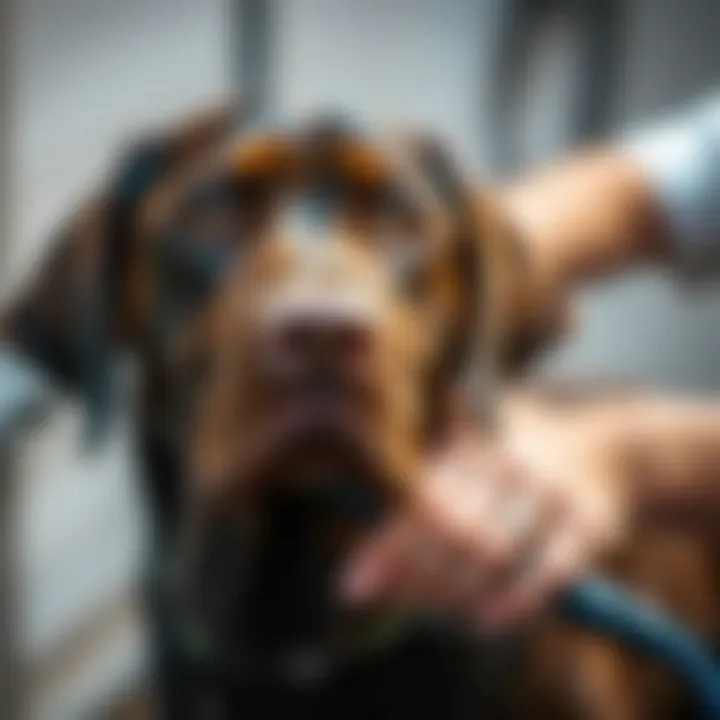
Ultimately, the goal is to maintain a schedule that suits your Labrador's specific shedding pattern and lifestyle. This not only keeps their coat looking splendid but also highlights the benefits of grooming in promoting their overall health. By monitoring changes and adjusting grooming frequency accordingly, you'll ensure a happy, healthy Labrador.
Common Mistakes in Grooming Labradors
Grooming a Labrador Retriever is not only about maintaining a clean appearance but also essential for their health and well-being. However, many pet owners inadvertently fall into common pitfalls during the grooming process. Being aware of these mistakes can enhance the experience for both the owner and the dog. Understanding these issues can lead to better grooming outcomes that ensure a healthy coat and skin for your Labrador, as well as a more pleasant experience overall.
Over-Grooming
Over-grooming—it might sound like an odd problem to have, but it can indeed be quite detrimental. It often stems from a well-intentioned desire to keep a dog looking its best. The challenge here is that Labradors have a unique coat structure made up of two layers: a soft undercoat and a tougher outer coat. Too much brushing can strip away this protective layer, which can lead to skin irritation and even vulnerability to environmental elements.
When pet owners brush their Labradors excessively, especially with slicker brushes that are designed to pull out loose hairs, it can create discomfort or even pain for the dog. Understandably, every pet owner wants to ensure they are doing the right thing, but moderation is key. Instead, focus on scheduled, regular grooming sessions rather than trying to tackle the fur all at once.
- Signs of Over-Grooming:
- Skin redness or irritation.
- Increased shedding due to stress on the hair follicles.
- Reluctance of the dog to be groomed, indicating discomfort.
Ignoring Sensitive Areas
It's easy to overlook certain parts of a dog's body during grooming. Labrador Retrievers are quite muscular, but they still have sensitive spots that many owners don’t consider. Areas like the belly, paws, and behind the ears can be particularly sensitive. Ignoring these zones not only leads to a sub-par grooming job, but it can also create anxiety for the dog.
To ensure your Labrador feels comfortable during grooming, take the time to check these areas thoroughly. Using a slicker brush is effective in removing loose fur from sensitive spots, but gentle pressure is vital. Gradually acclimate your dog to having these areas brushed by incorporating short grooming sessions that focus specifically on these sensitive areas.
- Tips for Grooming Sensitive Areas:
- Use light strokes and gentle pressure.
- Speak in a calm voice to reassure your dog.
- Always check for any signs of discomfort or pain.
By avoiding over-grooming and paying special attention to sensitive areas, you'll create a more positive grooming experience. This attentiveness not only enhances the physical health of your Labrador but also strengthens the bond between you and your furry friend.
Grooming Products to Consider
In the effort to maintain a Labrador Retriever's coat, selecting the right grooming products is essential. It's not just about making your furry friend look good; it's about promoting their overall health and wellbeing. Each product plays a unique role in addressing various needs that arise from the Labrador's distinctive coat and lifestyle. When one considers grooming products, it's helpful to keep functionality, compatibility, and coat care specifics in mind.
Complementary Tools
While the slicker brush steals the spotlight, a range of complementary tools can enhance the grooming experience for both the owner and the dog. These include:
- Deshedding tools: Tools like the FURminator allow you to tackle the undercoat effectively, reducing shedding around your home.
- Wide-toothed combs: Useful for detangling after you've run the slicker brush through, these combs can help manage any leftover knots and prevent any discomfort from pulling.
- Rubber brushes: Ideal for a nice finishing touch, rubber brushes can massage the skin while grabbing loose hair and debris effectively.
- Scissors: Tailored scissors can help to trim any hair around sensitive areas particularly the paws or behind the ears, ensuring your Labrador is tidy without the risk of cutting the skin.
Using these tools in conjunction with a slicker brush can create a systematic grooming routine that maximizes results. Moreover, it is beneficial to familiarize oneself with the specific use of each tool to get the best out of them.
Grooming Sprays and Oils
When it comes to supplementation during grooming, grooming sprays and oils serve as wonderful additions. They serve multiple purposes, safeguarding the Labrador's coat while simplifying the grooming process. Here are some considerations when selecting these products:
- Detangling sprays: These can soften the coat, making it easier to brush through without pulling. Look for natural, alcohol-free formulas to avoid irritation.
- Moisturizing oils: Products containing Omega-3 and Omega-6 fatty acids can enrich the coat, making it shinier and healthier. A good quality oil can also soothe any dry skin issues.
- Antimicrobial sprays: Seldom thought of, these sprays can protect against allergens and pests. They can be particularly useful for Labradors that enjoy rolling in the grass or mud.
Using sprays and oils also has the effect of establishing a soothing atmosphere during grooming sessions. Just a light mist can keep your dog calm and relaxed, making the entire process smoother.
Expert Tips for Successful Grooming
When it comes to grooming Labrador Retrievers, having a solid grasp of expert tips can make a world of difference. Not only can the right techniques enhance your dog's appearance, but they also promote overall health and strengthen the bond between you and your furry friend. This section aims to provide valuable insights into grooming practices that are effective and nurturing.
Patience and Consistency
The key to successful grooming lies in patience and consistency. Labradors may not always find grooming enjoyable, especially if they're unfamiliar with the process. Taking your time can help your pooch get accustomed to the routine and build trust. Start with short grooming sessions at first, gradually increasing the duration as your Labrador becomes more comfortable. Patience goes a long way in building a positive grooming experience for both you and your dog.
- Short Sessions: Begin with 5-10 minute grooming sessions, allowing your Labrador to get used to the slicker brush.
- Regular Timing: Aim for regular grooming at least once a week. Consistency helps establish a routine your Labrador will eventually anticipate with joy.
- Create a Calm Environment: Ensure the grooming area is calm and free from distractions. A soothing environment can alleviate anxiety for your pet.
Not only will this develop a more cooperative dog, but it also builds a comforting routine that can ease the grooming process. Remember, a pampered Labrador is a happy Labrador.
Positive Reinforcement
To foster a positive grooming experience, incorporating positive reinforcement is essential. This technique not only rewards your pet for good behavior but creates a joyful association with grooming activities. Here are a few ways to implement positive reinforcement:
- Use Treats Wisely: Offer small treats or praise when your Labrador allows you to brush a section of their coat. This strengthens the connection between grooming and a reward.
- Praise Your Dog: Verbal praise like "Good boy!" or "Well done!" works wonders. It reassures your dog and makes them more receptive to grooming.
- Playtime After Grooming: Consider scheduling playtime or a favorite activity post-grooming. This lets your Labrador associate grooming with something fun.
The goal is to create an enjoyable grooming experience where your Labrador feels comfortable and relaxed. When the grooming routine is established through patience and positive feedback, your dog is more likely to look forward to their next session.
"A well-groomed Labrador is not just a show of care but reflects the love and bond shared between human and pet."
Incorporating these expert tips can turn grooming from a chore into a cherished part of your routine with your Labrador. Not only does this enhance the grooming experience, but it also fosters a trusting relationship that benefits both you and your dog.
When to Seek Professional Help
Grooming your Labrador Retriever isn’t just a matter of aesthetics. Sometimes, it’s about the health and well-being of your dog. While slicker brushes can do wonders, there are situations where the expertise of a professional groomer may be necessary. Knowing when to turn to a professional can save you and your pup from unnecessary discomfort and complications.
Indicators of Professional Grooming Needs
Not all grooming can be handled at home. Here are some signs your Labrador may need a professional touch:
- Severe Matting: If your dog has developed significant tangles or mats, especially in sensitive areas like behind the ears or under the belly, a groomer can safely remove them without injuring the skin.
- Skin Issues: Flaky skin, red patches, or constant itching can signal health problems. A groomer can provide clearer insight or recommend a veterinary checkup.
- Nail Care: Overgrown nails can be uncomfortable and even painful for your dog. If you're unsure of how to trim them correctly, letting a professional handle it may be wise.
- Behavioral Challenges: If your dog is particularly anxious during grooming, a professional with experience in handling nervous pets can make the process smoother for your furry friend.
- Infrequent Grooming: If your dog hasn’t been groomed in quite some time, a thorough cleaning and grooming session by a qualified groomer can effectively address all grooming needs at once.
"Sometimes, a professional touch isn't just about style; it's about ensuring your Labrador’s health and comfort."
Finding a Reliable Groomer
When you're ready to hand the comb over to someone else, finding a reputable groomer is crucial. Here are some tips to help you locate the right professional:
- Research Local Options: Check websites, social media pages, or even review sites to gauge the reputation of various groomers in your area.
- Ask for Recommendations: Speak with fellow dog owners in your circle. They may have personal experiences that can guide you.
- Visit First: Don’t hesitate to visit the grooming facility before committing. Look for cleanliness and comfort. The environment should be calm, not chaotic.
- Inquire About Experience: Ask the groomer how familiar they are with Labrador Retrievers specifically, as this breed has unique grooming needs due to its thick coat.
- Check Services Offered: Ensure the groomer provides a range of services tailored for your dog’s breed, including specialized bathing and skin treatments if necessary.
- Look for Certifications: Many quality groomers hold certifications from recognized organizations, demonstrating their commitment to professionalism and ongoing education.
By keeping these points in mind, you can make an informed decision when it comes to trusting someone else with your beloved Labrador’s grooming.
The Role of Nutrition in Coat Health
When we talk about grooming Labrador Retrievers, we often focus on tools and techniques, but we can’t overlook the powerful influence of nutrition on coat health. A Labrador's coat reflects its overall well-being, and providing the right nutrients can have a significant impact not only on the appearance but also on the health of the skin underneath. Just like you wouldn’t expect a car to run smoothly without the right fuel, your furry friend’s coat won’t shine without proper nourishment.


Key Nutrients for a Healthy Coat
Certain nutrients play a pivotal role in maintaining a Labrador's coat health. Here are some essential elements that every pet owner should keep in mind:
- Omega Fatty Acids: These are crucial for skin health and coat luster. Fish oil, flaxseed oil, and algal oil are excellent sources. They help to reduce inflammation and keep the skin moisturized.
- Proteins: Like any living organism, dogs need proteins to build their body. The fur itself is largely composed of proteins like keratin. Ensuring your Labrador has a protein-rich diet will directly affect the quality and thickness of their fur.
- Vitamins A and E: These vitamins are important for skin repair and maintenance. They act as antioxidants and help in keeping the skin healthy, supporting collagen production which, in turn, supports healthy hair follicles.
- Zinc: Essential for the regulation of oil gland function, zinc helps keep all layers of the skin healthy and can assist in reducing shedding problems.
- Biotin: This little powerhouse vitamin is known as Vitamin H. It promotes healthy skin and coat, and a deficiency can lead to skin problems and excessive shedding.
Feeding your Labrador a well-balanced diet supplemented with these nutrients can significantly improve the health of its coat. You can often find dog foods that advertise high levels of Omega fatty acids, protein sources, and essential vitamins, making it straightforward to give your pup what it needs.
Hydration and Skin Health
Just like humans, dogs require proper hydration for overall health, including the condition of their skin and coat. Dehydration can lead to dry skin, promoting skin issues such as flakiness, irritation, and even infections. A well-hydrated dog not only looks healthier but also feels better.
- Water Intake: Depending on their activity level, age, and size, Labradors may require different amounts of water. Generally, a Labrador should have access to fresh water at all times. It’s essential to monitor their intake, especially during hot weather or after strenuous exercise.
- Moisture-Rich Foods: Incorporating wet food or adding water to dry kibble can help in maintaining your Labrador’s hydration. This can also be beneficial for pets that don’t drink enough water on their own.
- Electrolyte Balance: Sometimes, especially if a Labrador engages in intense activity or if they are sick, their electrolyte levels might need to be balanced. You can consult with your veterinarian for ways to provide necessary supplements or adjustments to their diet.
Proper nutrition and hydration are vital to keeping your Labrador’s coat healthy, shiny, and more resistant to skin issues. Neglect can lead to a range of problems, and ensuring your dog receives a balanced diet goes a long way in maintaining coat health.
As you dive deeper into grooming and caring for your Labrador Retriever, remember that nutrition plays a foundational role in the grooming experience. A well-nourished dog will not only look good but will also feel good, contributing to a positive grooming routine.
Caring for Labradors Between Grooming Sessions
Caring for Labradors between grooming sessions is not just a mere afterthought; it’s an essential part of maintaining their overall health and coat quality. While regular grooming with a slicker brush is crucial, the intervals between those grooming sessions require diligent attention. A lab’s coat needs continual care. Much like we can't just throw on a clean outfit and neglect personal hygiene, our furry friends also need consistent attention.
Routine Skin Checks
Routine skin checks should be a regular practice for every Lab owner. This involves systematically inspecting your dog's skin and coat for signs of distress or discomfort. Start with the basics: check their back, underbelly, and especially around sensitive areas like ears and paws. Look for redness, bumps, or any unusual flakiness. These signs could indicate potential allergies, skin infections, or parasites.
During these checks, you develop a more intimate understanding of your Labrador's typical skin condition. Knowing what is normal for them can help you spot abnormalities quicker. As a benefit, performing these checks can strengthen the bond you share with your dog. It allows for one-on-one time and can reassure your Lab that you are attentive to their needs.
Here are some points to keep in mind during routine skin checks:
- Check for Lesions: Any unusual markings on the skin should be inspected.
- Inspect for Ticks and Fleas: These tiny nuisances are often hard to spot but can lead to considerable discomfort.
- Evaluate Skin Texture: Is the skin smooth and healthy, or does it feel dry and scaly?
Managing Allergies and Irritations
In today’s world, allergies are not just a human issue; dogs can suffer from them too. For Labrador Retrievers, common allergens include certain foods, pollen, dust mites, and chemicals in cleaning products. Every now and then, you may notice your Lab scratching or licking more than usual. This behavior may indicate an allergy or skin irritation. Being observant is key here.
If you suspect that your dog is dealing with allergies, it’s worth seeking the help of a veterinarian. They can help determine the root cause and recommend appropriate treatments. Some may even prescribe hypoallergenic shampoos or suggest allergy-specific diets.
To help mitigate skin irritations:
- Choose Gentle Products: When bathing your Lab, use gentle, fragrance-free shampoo that won't strip natural oils from their skin.
- Wash Bedding Regularly: Keeping their sleeping area clean can help reduce allergens.
- Identify Triggers: If you notice your dog itching after being in contact with specific plants or substances, try to eliminate those from their environment.
Grooming as a Bonding Activity
Grooming isn't just about keeping your Labrador Retriever looking spiffy; it's a chance to deepen the bond between you and your furry friend. This routine not only enhances their appearance but also fosters trust, comfort, and understanding. When you engage your Labrador in grooming, you are participating in an activity that speaks volumes about care and affection. Understanding the connection between grooming and bonding can elevate your grooming sessions from mundane tasks to valuable experiences.
Understanding Your Dog’s Signals
Every dog has its own personality, and understanding their signals is paramount during grooming. Labradors, known for their warm demeanor, may show cues that express their comfort levels or unease. Pacing, panting, or shifting away may signal discomfort. Pay close attention to the way they respond to the slicker brush. Start slowly and watch for tail wagging or relaxed ears, synchronizing your grooming pace with their comfort.
- Positive Signals: Tail wagging, relaxed posture, enjoying petting.
- Negative Signals: Tensing up, trying to escape, growling or whining.
By observing these signals, you can adapt your technique to ensure a positive experience. Keep in mind that some areas are more sensitive than others. For instance, brushing around a Labrador's tail or belly may require a gentler approach. A key part of your job is to create a stress-free atmosphere that encourages relaxation and trust.
Building Trust Through Grooming
Grooming is akin to a trust-building exercise between you and your Labrador. The slicker brush, when used correctly, acts as a tool not only for de-shedding but also for reinforcing the bond you share. Take your time; don't rush through the grooming. Use this opportunity to pet, talk, and reassure your dog. The act of brushing reinforces your commitment to their well-being. Over time, your Labrador will learn to see grooming not as a chore but as a moment of connection.
Here are some ways to facilitate trust through grooming:
- Create a Routine: Regular, designated grooming times can help your dog know what to expect.
- Warm Environment: Make sure the place you groom is comfortable, with good lighting and a safe feel.
- Gentle Techniques: Use the right tools and apply gentle pressure, making the process enjoyable for your dog.
- Positive Reinforcement: Praise or offer treats after a successful grooming session to associate grooming with good experiences.
- Stay Calm: Your energy plays a big role. If you’re relaxed, your Labrador will likely feel the same way.
Cultural Perspectives on Dog Grooming
The act of grooming dogs like Labrador Retrievers isn’t merely about keeping their coats shiny or addressing shedding issues. Across various cultures, grooming serves as a significant rite that intertwines with societal values, beliefs, and attitudes toward animals. Understanding these diverse cultural perspectives can enhance one’s approach to grooming and even strengthen the bond between a pet and its owner.
Grooming practices reflect not just care but also respect and affection. For instance, in Japanese culture, the art of grooming pets holds a prominent place, where meticulous care is offered. Pet groomers often incorporate elements of Zen principles, emphasizing mindfulness and balance, which translates to an atmosphere both calming for the animal and enriching for the owner.
In contrast, in some Western cultures, grooming may be approached more pragmatically. Here, the focus often lies on necessity rather than ritual. However, this does not mean that affection is absent; it’s just expressed differently. Many pet owners view grooming as a vital routine, connecting it to overall health and hygiene rather than to emotional bonding.
Grooming a pet is not just about their appearance, it’s an expression of love and commitment.
Focusing on the Middle East, grooming practices take on a unique flavor. Here, some cultures place great emphasis on maintaining the dog’s hygiene as a matter of health and social standings. The Arabic term 'mashal' denotes the process of grooming and signifies not just cleanliness but also portrays a sense of pride in pet ownership.
Grooming Practices in Different Societies
- Asian Countries (like South Korea and Japan): Pet grooming salons often offer services that are part spa, part grooming. They include soothing massages and even specialized haircuts that draw inspiration from popular culture.
- European Countries (Spain and Italy): Grooming can transform into a social affair, where pets attend salons gleaming with luxury. Events that promote pet grooming practices often attract large crowds of excited owners.
- Rural Communities Worldwide: In many rural areas, grooming embodies practicality. Owners utilize simple tools and hands-on methods, valuing functional outcomes over aesthetic ones. This practice reinforces the bond through time spent together.
The Significance of Grooming in Dog Care
Grooming plays a crucial role in ensuring the overall health and well-being of dogs, especially breeds like Labradors. From a physical perspective, grooming helps in removing dirt, debris, and even parasites, thus contributing to skin health. Beyond the obvious cleanliness aspect, grooming can aid in keeping the Labrador’s fur well-maintained, reducing matting and enhancing overall fur quality.
Emotionally and psychologically, grooming serves as a key bonding activity. The time spent brushing a dog can create trust and relaxation, strengthening the relationship between the pet and owner. Moreover, it allows the owner to intimately inspect their dog’s body for any abnormalities, highlighting its importance beyond mere aesthetics.
While the cultural context of grooming varies widely, most societies converge on the understanding that grooming fosters a well-maintained coat and a happy, healthy dog. In essence, grooming transcends mere necessity; it celebrates the relationship between caregiver and animal, providing both physical and emotional benefits for both the dog and its owner.
For further exploration on cultural practices in grooming and dog care, visit Wikipedia or Britannica.
Finale
The conclusion of this article brings together the vital threads of grooming Labrador Retrievers and the instrumental role slicker brushes play in this process. In understanding how to care for these beloved canines, we unveil the essence of their grooming needs, which stem from their distinct fur characteristics. Slicker brushes, with their finely spaced bristles, act as a bridge between effective grooming and maintaining a healthy coat. Regular use not only aims to minimize shedding but also enhances the bond between owner and dog through shared grooming sessions.
Recap of Key Points
To summarize, the key points discussed throughout this article include:
- The unique coat of Labrador Retrievers: Understanding the nature of their coat is crucial for effective grooming. Their dense, water-repellent fur necessitates proper tools to keep it in tip-top shape.
- Importance of grooming: Regular grooming sessions not only promote skin health but also deepen the emotional connection between a dog and its owner.
- Slicker brush benefits: This tool is unmatched when it comes to de-shedding, removing tangles, and addressing skin conditions.
- Choosing the right brush: Size and bristle type can drastically affect the grooming experience, reinforcing the need for well-informed choices.
- Common mistakes: Avoiding pitfalls, such as over-grooming or neglecting sensitive areas, ensures a smoother grooming journey.
Encouragement for Enthusiasts
Pet owners and animal lovers alike should embrace the grooming journey as an enjoyable and essential part of Labrador ownership. Regular grooming sessions provide an opportunity to monitor your dog's health, spot any unusual changes, and simply enjoy each other's company. Grab that slicker brush with confidence, knowing it's not just a grooming tool but a means to forge an even stronger bond with your furry friend. Remember, consistency is key, making it a rewarding experience worth investing time in. Through diligence and care, you ensure your Labrador not only looks good but feels great too.