Effective Strategies for Removing Dried Dog Urine from Carpet


Intro
Dealing with dried dog urine on your carpet can feel like an uphill battle for any pet owner. The offense isn't just in the visible stain; the lingering odor can be even more problematic, turning your cozy living space into something less than inviting. As any seasoned pet parent knows, prevention is key, but when accidents happen, it’s imperative to have effective strategies at hand for removal. This comprehensive guide delves into the nitty-gritty of tackling dried dog urine, from gathering the right materials to utilizing both traditional and modern cleaning methods. Not only will we discuss how to successfully rid your carpet of those stubborn stains, but we will also explore preventive measures for future incidents. After all, knowledge is power, especially when it comes to maintaining a clean and harmonious home for you and your furry friend.
Understanding the Challenge
Canines are creatures of habit, and sometimes those habits can lead to mishaps on your beloved carpet. Imagining your once pristine carpet now bearing unsightly stains can be disheartening. The urine not only leaves a mark but can also seep deep into the fibers, making it challenging to eliminate entirely. Understanding the materials of your carpet and the nature of dog urine will guide your approach to cleaning effectively. Dog urine contains uric acid that can crystallize when dried, resulting in the foul odor persisting long after the stain has faded from view.
So, what's a dedicated pet owner to do? This guide breaks down the essentials of tackling this pervasive issue step-by-step, ensuring you can reclaim your space without resorting to drastic measures.
Choosing the Right Cleaning Solution
When tackling dried dog urine, the path to success often begins with selecting the right cleaning solution. Here are several viable options:
- White vinegar and water mixture: A classic household remedy. Combine equal parts of white vinegar and water in a spray bottle. It breaks down the uric acid in urine, neutralizing odor.
- Baking soda and hydrogen peroxide: This combo works wonders. Sprinkle baking soda liberally over the stained area, then spray a solution of hydrogen peroxide and a drop of dish soap on top. Let it sit before scrubbing gently.
- Enzymatic cleaners: Specifically designed for pet messes, these cleaners contain bacteria that digest the substances that cause odors, making them a popular choice among pet owners.
"Overall, the right cleaning solution can make all the difference in effectively eliminating pet stains and odors."
Although these options can be effective, they require patience and a bit of elbow grease. Prepare to scrub a bit and allow solutions time to work their magic.
The Value of Prompt Action
Time is of the essence when dealing with dried urine stains. The sooner you can address the situation, the better your chances of a thorough clean. Leaving a stain unattended gives it more time to seep into the carpet backing or padding, potentially leading to a long-term odor problem. If you find yourself in a sticky situation, here’s a straightforward protocol to follow:
- Gather your cleaning materials.
- Prepare the cleaning solution.
- Apply it to the stained area generously.
- Let it sit for at least 10-15 minutes.
- Blot with a clean cloth until the stain lifts.
- Rinse the area with cold water and blot dry.
Mindfulness is key—approaching cleaning with steady intent will yield the best results.
Preventive Measures for the Future
While stains can happen to the best of us, incorporating preventive strategies can significantly reduce the chances of future incidents. Here are some tips to consider:
- Establish a routine: Regular bathroom breaks outside can prevent indoor accidents, especially for puppies.
- Spend time on training: Teaching your dog basic commands about where it’s appropriate to relieve themselves can have lasting effects.
- Use pet-friendly deterrents: Sprays are available that discourage dogs from peeing in certain areas.
By investing some time upfront into prevention, you may save yourself considerable hassle down the line.
Epilogue
In summary, tackling dried dog urine on carpets doesn't have to feel like a monumental task. With the appropriate cleaning solutions and swift action, you can overcome this common pet-ownership challenge. Understanding your carpet materials, acting quickly, and considering preventive measures will enable you to maintain a fresh and welcoming home. Dogs are wonderful companions; their occasional slips shouldn't keep you from enjoying a clean setup.
Prelims to the Problem
Pet ownership can be a joy, but it also comes with its unique set of challenges. One of the most persistent issues many pet owners face is dealing with the aftermath of incidents involving their canine companions. Dog urine stains on carpets may seem like a minor annoyance, but as any seasoned pet owner will tell you, neglecting to address these stains promptly can create larger headaches down the line.
It's not just about aesthetics; when urine dries, it can escalate into an odor problem that lingers far longer than the visible stain itself. Carpet fibers, especially those made from materials like nylon or wool, tend to trap those unpleasant scents, meaning that over time, even if the stain is cleaned, the smell might remain. Pet owners might find themselves in a situation where they think they've tackled the issue, only to be met with a recurrent reminder of their furry friend’s mishap.
Moreover, understanding the science behind urine can help in selecting the correct cleaning methods. Dog urine contains compounds that include urea, uric acid, and ammonia. When dried, these components can bond to carpets in a way that's not only hard to see but also tougher to clean. Ignoring dried urine can lead not just to unpleasant smells, but also potential health risks, particularly for those sensitive to odors or with allergies.
In addition to the immediate cleaning requirements, addressing this issue timely helps maintain a harmonious environment at home. Leaving stains untreated can attract other pets, leading them to mark the same spot repeatedly. Plus, an unsightly carpet can significantly detract from the overall ambiance of your living space.
In the coming sections, we'll delve into effective methodologies, necessary preparations, and preventive strategies for dog urine removal that can leave your carpet looking fresh and your home free from lingering odors. The right approach can make a world of difference, turning a potentially troubling situation into a manageable task.
Understanding Dog Urine Composition
Understanding the composition of dog urine is crucial when dealing with the challenges of cleaning it from carpets. Each element in urine contributes to its characteristics, which influence how it interacts with various materials, particularly carpets. When you comprehend what you're up against, you're better equipped to tackle the task effectively, ensuring that both stains and odors are eliminated.
Urine from dogs primarily consists of water, urea, uric acid, creatinine, and various other molecules. The concentration of these substances varies due to factors like the dog's diet, hydration levels, and even health conditions. This variability plays a significant role in how quickly and effectively you can treat the stains.
Chemical Properties of Urine
The chemical makeup of urine is what makes it so stubbornly persistent on carpets. For instance, urea breaks down into ammonia when it sits and dries, which can result in a pungent smell that seeps deep into carpet fibers. This is especially problematic because of the inner workings of most carpet materials, which can absorb odors and stains over time.
Moreover, urine contains proteins and enzymes, which interact with the dyestuffs in your carpet—leading to discoloration that’s harder to remove than the plain stain itself. Knowing this can guide you toward the right cleaning agents; enzymatic cleaners target these proteins effectively, but conventional cleaners may merely mask the odor without addressing the underlying chemical issues.
How Urine Affects Carpet Fibers
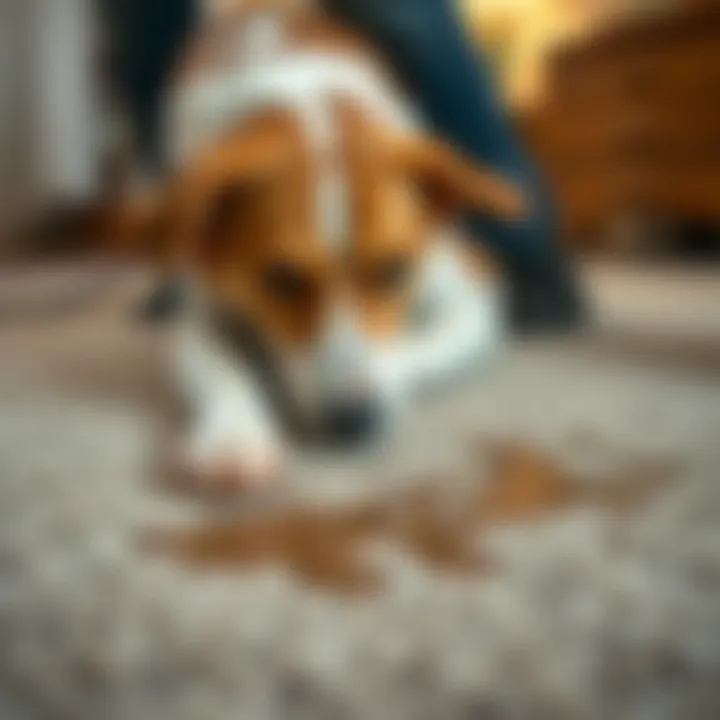
When urine encounters carpet fibers, it’s not just the surface that gets affected. The liquid penetrates deep into the fibers, as well as the backing material and sometimes even the padding underneath. Depending on the carpet type—be it wool, nylon, or polyester—the fibers might absorb the urine differently. For instance, wool fibers can hold onto the stain and odor longer than synthetic materials, leading to more extensive damage if not handled promptly.
Additionally, the pH level of urine can affect carpet fibers. Fresh urine tends to be acidic, but as it breaks down, it becomes more alkaline, which can lead to fading and degradation of the fibers. This underscores the need for immediate action when dealing with new stains.
In tackling dried dog urine, recognizing these characteristics sets the stage for effective action. It emphasizes the importance of using the right methods and tools so that you don't just clean but also preserve the integrity of your carpet. Cleaning up a dog mess might seem like a hassle, but understanding the components of the problem turns it into a manageable task.
Importance of Timely Action
When it comes to cleaning up after our canine companions, time is of the essence. Tackling urine stains promptly can make all the difference between a minor inconvenience and a more serious issue that lingers for ages.
Leaving dried dog urine on carpet can snowball into a number of problems. First and foremost, it can lead to persistent odors that prove challenging to eradicate. Once urine seeps deeply into the fibers and pad of the carpet, it often creates a pungent smell that may become even more entrenched. It's akin to trying to shovel snow after it has solidified into ice. The longer the stain sits, the more the odor molecules can interact with various elements in the carpet, leading to a tighter grip on the fibers.
Moreover, the longer stains remain, the more difficult they become to clean. What might seem like a simple blot during the first few hours could require significant scrubbing, special enzymes, or even professional cleaning services when left unattended. Simply put, dealing with fresh stains is often much easier than the monumental task presented by those that have lightened and set.
Consequences of Leaving Stains
- Permanent Damage: Urine can weaken carpet fibers, leading to fraying or discoloration. If left long enough, these areas may need replacement, resulting in higher costs.
- Stains: The risk of the stains becoming a permanent feature is very real. After a while, most cleaning methods will struggle to fully remove the mark.
- Increased Cleaning Costs: When homeowners neglect the initial cleanup, they often end up spending significantly more on expensive cleaning solutions or hiring professionals to manage the fallout of a stubborn stain.
- Resale Value: A smelly, stained carpet can undermine the overall appeal of a home. Prospective buyers may be deterred by the odor and visible stains, potentially impacting the property's resale value.
Health Risks from Residual Odors
Residual odors are not just unpleasant; they can pose health risks. Here’s a rundown of some concerns:
- Unpleasant Living Environment: A lingering smell can create an uncomfortable living space not just for pets, but for the entire household.
- Mold and Bacteria Growth: Unaddressed stains may foster fungal growth. Mold and mildew thrive in damp conditions and can provoke allergic reactions or respiratory issues for sensitive individuals.
- Pet Behavior: Sometimes, the smell of previous accidents can trigger a dog's instinct to “mark their territory” again, leading to a vicious cycle. Behavioral issues can arise when pets begin to associate certain areas with their bathroom habits.
"If you let a problem linger, it’s akin to giving it a warm welcome; it’ll only become more stubborn with time."
Preparation for the Cleaning Process
Understanding the steps necessary for preparing to clean dried dog urine from carpet is crucial. Taking the time to gather the right materials and assess your carpet ensures the cleaning process goes smoothly and effectively. Proper preparation can make the difference between a successful cleaning and a lingering smell or persistent stain.
Gathering Necessary Materials
For effective cleaning, having the right tools at hand is essential. Below are the key materials you should consider:
Enzymatic cleaning solutions
Enzymatic cleaners break down the organic compounds found in urine, which is why they are a favored choice among pet owners.
- Key Characteristic: These solutions contain specific enzymes that target bacteria associated with urine and eliminate odors, not just mask them.
- Unique Feature: Since they work by digestion, they are less abrasive compared to harsh chemicals, which can damage carpet fibers or leave residuals that attract more dirt.
- Advantages: They effectively neutralize odors while also removing stains. However, it’s essential to follow the instructions carefully for optimal results.
In the world of pet cleaning, enzymatic cleaners are labled as the holy grail!
Paper towels or cloths
Paper towels and cloths are your frontline defense when dealing with fresh accidents or initial clean-up of dried stains.
- Key Characteristic: Their absorbent nature allows them to soak up excess liquid quickly. This is crucial when attempting to mitigate the stain before it sets in.
- Unique Feature: They also make it easy to scrub the carpet texture lightly during the cleaning process.
- Advantages: They are inexpensive and readily available. One downside is that they can tear easily, therefore a thicker material is sometimes more beneficial for scrubbing tougher stains.
Vacuum cleaner
A quality vacuum cleaner plays a significant role both in preparation and during the cleaning phase.
- Key Characteristic: A vacuum is crucial for removing loose dirt and hair from the carpet. Having a clean surface to work on promotes better cleaning results.
- Unique Feature: Many vacuums come with a deep cleaning feature that can help extract moisture and residue effectively.
- Advantages: Investing in a good vacuum can save time and provide thorough cleaning. Yet, one consideration to keep in mind is that not all vacuums are designed for wet cleaning, so check your model’s specifications.
Assessing the Type of Carpet
An integral part of the prep process is recognizing what type of carpet you are dealing with. Not all materials respond the same to cleaning solutions. For instance, synthetic carpets, like nylon or polyester, may handle water and cleaning solutions better than natural fibers such as wool.
Utilizing a small area for testing any cleaner ensures you won't accidentally damage or discolor your carpet during the full cleaning process. Being informed allows for a tailored approach, maximizing the effectiveness of your cleaning efforts, paving the way for a clearer path towards restoring your carpet to its former glory.
Step-by-Step Removal Process
Once you’re faced with the dilemma of dried dog urine on your carpet, a strategic approach becomes paramount. Knowing the right steps to take makes all the difference in achieving a successful cleanup. This section will guide you through a systematic process, covering each vital phase of removal. The goal is to not only clean the mess but to fully eradicate any lingering odors that could invite repeated accidents.
Initial Blotting Technique
Before diving into cleaners and solutions, the first step is to blot. This initial technique is crucial for two reasons: it prevents the further absorption of the urine into the carpet fibers and it minimizes the stain's spread. When you discover a dried stain, reach for clean, dry cloths or paper towels, and gently press them onto the affected area. Avoid rubbing, as that can agitate the fibers and push the urine deeper into the carpet. Think of it like trying to soak up water with a sponge; you want to absorb, not push.
Here’s a quick rundown of how to execute the blotting process effectively:
- Use clean towels or paper: Make sure whatever you are using is free from any cleaners that could react with urine.
- Press down firmly but gently: You want to soak up as much as you can without damaging the carpet.
- Change cloths frequently: Once a towel is saturated, continue with a fresh towel until you can no longer see dampness.
"Patience truly is a virtue in this step; haste can mar your efforts greatly."
Applying Enzymatic Cleaner
With the initial mess handled, it’s time to introduce an enzymatic cleaner. These specialized products are designed to break down the proteins in dog urine. Unlike washing carpet with soap or water alone, enzymatic cleaners react chemically to eliminate stains at their core. It’s important to apply the cleaner liberally across the stain for best results.
Follow these steps:
- Read the label: Ensure you're using it correctly as per manufacturer instructions.
- Apply generously: Let the cleaner sit for a prescribed time—typically 10 to 15 minutes—so it can do its magic.
- Use a soft brush: Gently scrub the area, giving the cleaner a thorough chance to penetrate the fibers.
Remember, the goal here is to ensure full coverage, so don’t skimp out on application. In some cases, it may take two applications to fully eradicate the stain.
Scrubbing and Rinsing
Now that the cleaner has done its work, you need to follow up with some scrubbing and rinsing. This step is your last line of defense against odors and stains. Grab a clean cloth and dampen it with water, then gently scrub the area once again. This will help lift any dirt or residue brought up by the enzymatic cleaner.
Steps to follow:
- Use warm water: It makes the rinsing process smoother and more effective.
- Scrub lightly: You can apply some elbow grease but be cautious not to fray the carpet material.
- Rinse thoroughly: It’s vital to remove all cleaner remnants; if too much is left behind, it can leave its own stain.
Drying and Vacuuming
The final process is all about drying and vacuuming to restore your carpet to its original glory. After scrubbing, take a dry cloth to absorb any excess moisture. You might think that skipping this step will save time, but if you don’t dry properly, you can end up with mildew or further odors. Use fans or open windows to promote airflow.
- Vacuum strategically: Once the area is dried completely, vacuum over the spot. This helps fluff up the carpet fibers and ensures that any last traces of urine or cleaner are lifted away.
- Check for odors: After vacuuming, sniff around; any lingering smell might indicate a need for another round of cleaning.
By following this step-by-step removal process, pet owners can restore their carpets and maintain a healthy home environment. Stains may be stubborn, but with the right methods and a bit of determination, they can be effectively tackled.
Alternative Methods for Stubborn Stains
When faced with dried dog urine on carpets, there might come a time when the usual techniques just don't cut it. This is where alternative methods pick up the slack. They offer pet owners not only varied approaches but also the chance to tackle stubborn stains that just won't budge. Whether it’s an ancient mishap or simply a hardened mess, knowing these alternative strategies can make all the difference in keeping your carpets looking fresh.
Homemade Cleaning Solutions
Homemade cleaning solutions serve as an accessible option for many, especially for those who prefer to go the DIY route in keeping their homes clean. These solutions often utilize ingredients that most people already have lying around the house, making them both economical and environmentally friendly.
Baking Soda Mixture
A baking soda mixture is often hailed as a champion when it comes to tackling stubborn stains caused by dog urine. The efficacy of baking soda lies in its natural absorbent properties. When mixed with water, it forms a paste that can penetrate carpet fibers, drawing out the odor and stain over time.
Key characteristic: What makes baking soda particularly beneficial is its ability to neutralize odors, making it a preferred choice for any pet owner frustrated with persistent smells.
Unique feature: It doesn’t just mask the odors; instead, it absorbs them. This attribute is something many residents appreciate.
However, it's worth noting that excessive use of baking soda can sometimes lead to residue that’s tough to vacuum away, potentially leading to more clutter in your cleaning routine.
Vinegar Solution
Another common solution to persistent urine stains is vinegar. This household staple not only helps in cleaning up but also can break down the urine components, which is crucial in removing stains from carpets.
Key characteristic: Vinegar's acidity helps in neutralizing the alkaline salts that often linger after urine has dried. This enables a more thorough cleaning experience when dealing with stubborn stains.
Unique feature: It’s not just the cleaning prowess; the relatively non-toxic nature of vinegar makes it safe for homes with pets and children. What’s more, it can be mixed with water in a 1:1 ratio, allowing for easy application.
That said, the strong smell of vinegar might not be suitable for everyone's taste, and it can take a bit of time for the odor to dissipate.
Professional Cleaning Services

Sometimes, the stain is indeed an insurmountable challenge for any homemade solution. In such cases, enlisting the help of professional cleaning services can be a game changer. These services have access to advanced tools and specialized cleaning solutions that target even the most stubborn dog urine stains. They can penetrate deeper into carpet fibers and under padding, addressing issues that might be overlooked in a typical home cleaning routine.
Important Note: Always check the reputation of a cleaning service before committing, as not all are created equal. Reading customer reviews and seeking recommendations can lead you to reliable professionals who prioritize not just stain removal but also the safety of your carpets.
Preventive Measures to Avoid Future Incidents
Taking steps to prevent accidents is as crucial as cleaning up after them. By implementing effective preventive measures, pet owners can significantly reduce the likelihood of dried dog urine stains on carpets. Not only does it save time and effort, but it also contributes to a cleaner and healthier home. It’s about foresight—after all, an ounce of prevention is worth a pound of cure.
Training Your Dog
Training a dog is akin to teaching a child; it requires consistency, patience, and positive reinforcement. Proper potty training is vital, especially for young puppies or newly adopted dogs. Establishing a routine for bathroom breaks can lead to fewer accidents indoors. For instance, taking your dog out after meals, playtime, or naps can set them up for success. A dog that knows when and where to go will likely avoid soiling carpets.
- Use consistent commands: A phrase like "Go potty" repeated during outdoor trips can help your dog associate the command with the act.
- Reward success: Positive reinforcement with treats or praise when your dog relieves itself outside can foster good habits.
- Supervise indoors: Until your dog understands where it’s appropriate to relieve itself, monitor them closely indoors. If they begin to sniff around or circle, it’s a telltale sign they need to go.
Using Pet Repellents
Sometimes, despite our best efforts, accidents happen. That's where pet repellents come into play. These products can dissuade dogs from returning to previously soiled areas by utilizing scents or tastes that dogs find unpleasant.
- Natural sprays: Many pet stores sell sprays made from natural ingredients that deter animals. Spraying such solutions on carpets can be a proactive move.
- DIY repellents: A homemade mix of vinegar and water can sometimes do the trick. Dogs often dislike the strong odor, and it usually dries without staining.
- Placement strategy: Instead of treating just the spots that have seen action, prevent future incidents by spraying areas where your dog tends to linger.
Regular Cleaning Routines
Lastly, maintaining a regular cleaning routine can help deter marking behavior and keep your living environment fresh. This doesn’t mean you have to scrub every day, but setting a schedule can make a substantial difference.
- Frequent vacuuming: Regularly vacuuming carpets not only removes dust but also keeps pet odors at bay.
- Deep cleaning: Schedule deep cleaning sessions with an extract machine or a thorough shampooing of carpets periodically. This is beneficial to neutralize any chemical residues from previous accidents.
- Spot clean promptly: When an accident does happen, clean it immediately to prevent it from settling in. Using an enzymatic cleaner designed to break down urine components can be particularly helpful.
By taking these preventive measures seriously, pet owners can create a conducive environment for both their dogs and their homes, making life a little easier and their carpets considerably cleaner.
"An ounce of prevention is worth a pound of cure."
For further reading on dog training methods, consider visiting American Kennel Club or exploring online communities on reddit.com.
Ending
In summarizing the key takeaways regarding the removal of dried dog urine from carpet, it's clear that understanding this issue goes beyond mere aesthetics. In fact, the presence of pet urine can be a gateway to numerous complications, affecting both the quality of your living space and the health of any inhabitants, including those furry friends we all cherish.
One central theme throughout this article is the significance of a prompt response. Timeliness is paramount when it comes to urine stains. Ignoring these issues can lead to persistent odors and discoloration, which may not only compromise the visual appeal of your carpets but also create an unsanitary environment. After all, someone once said, "A stitch in time saves nine," and it holds true here; the quicker you act, the smoother your cleaning journey will be.
Moreover, we've explored a variety of methods, from using commercial enzymatic cleaners to homemade solutions like vinegar and baking soda. Each approach offers unique benefits, depending on your specific circumstances. Whether you decide to take the DIY route or call in the professionals, having the right materials at your fingertips is essential. Gathering these items beforehand can save you from a last-minute dash to the store at the most inconvenient of times. It’s about being prepared for the curveballs that pet ownership inevitably throws your way.
In the end, making the effort to keep your carpets clean not only contributes to a better living environment but also reflects your commitment to being a responsible pet owner. Remember, an ounce of prevention is worth a pound of cure. By implementing preventive measures, such as training your dog and utilizing pet repellents, you can alleviate the frequency of these unfortunate incidents.
Ultimately, the task of removing dried dog urine from carpets might feel like an uphill battle, but with the right strategies in place, you can emerge victorious. For further resources on maintaining a pet-friendly home, consider checking sites like Encyclopedia Britannica, or engaging on platforms like Reddit where fellow pet lovers share their battles and victories in home cleaning. Your carpets—and your nose—will thank you.
Further Reading and Resources
When it comes to the topic of maintaining a clean home with pets, informed knowledge can be an invaluable asset. The value of discussing further reading and resources is not merely to point out where to go next, but to underscore the breadth and depth of information available to dog owners. Engaging with the sides of animal care that extend beyond immediate solutions can provide a holistic approach to pet maintenance. This section highlights books and online platforms where you can deepen your understanding, ensuring a more profound connection with your canine companion while effectively dealing with their quirks and messes.
Books on Dog Training
Books can serve as the cornerstone for resolving many dog-related challenges, including those pesky instances of urine mishaps. Titles like The Art of Raising a Puppy by the Monks of New Skete delve into effective training methods that can preemptively tackle behavioral issues. The insights drawn from experts in canine behavior not only help in establishing proper potty training patterns but also arm you with comprehensive understanding of dog psychology.
- Consider exploring these key topics in dog training books:
- Positive reinforcement methods
- Understanding canine body language
- Implementing consistent training schedules
By reading widely, you learn techniques that align with your dog’s natural instincts. This fosters a deeper bond and can lead to a reduction in accidents, easing the burden of cleaning dried urine stains later on.
"A better training regimen builds not just a well-behaved pet but a stronger human-animal relationship."
Online Forums for Pet Owners
In today's digital world, tapping into the experiences of others can provide tremendous insight. Online forums dedicated to pet lovers, such as Reddit’s r/dogs, serve as bustling hubs for sharing advice, stories, and tactics regarding everything from dog training to emergency cleaning tips. These platforms allow pet owners to voice frustrations, celebrate victories, and exchange effective strategies in real-time with a community that understands.
- Engage with these elements in online forums:
- Q&A for specific issues (like dried urine stains)
- Tips from seasoned pet owners who have faced similar challenges
- Recommendations for products or services that have been tried and tested in the field
Learning from others’ experiences can be enlightening. It helps to know you are not alone in your struggles, and that collective knowledge can often pave the way for innovative solutions.
For those seeking even more structured support, consider visiting websites like the American Kennel Club (akc.org) or comprehensive training programs found on platforms such as petmd.com. These resources promise to amplify your pet ownership experience while enriching the knowledge base crucial for maintaining a peaceful home.