Home Treatments for Managing Feline Lower Urinary Tract Disease
Intro
Feline Lower Urinary Tract Disease is no small potatoes for cat owners. This ailment, often referred to as FLUTD, can come with a bundle of concerns, ranging from urinary blockages to painful urination. Navigating the maze of symptoms and treatment can feel overwhelming, especially when you’re balancing work, personal life, and your pet's needs. However, a little diligence and understanding can go a long way in managing FLUTD effectively right from the comfort of your home.
This guide aims to shed light on pragmatic home treatment strategies tailored for FLUTD. By providing insights into key factors like dietary management and environmental adjustments, you can foster a pet-friendly atmosphere that supports urinary health. Furthermore, it’s imperative to understand when to call in a professional. Armed with the right information, you can approach your cat’s health with confidence, knowing you're on a good path toward nurturing a healthier, happier urinary tract for your furry friend.
Pet Care and Grooming
Importance of Regular Care
Regular care is not just about keeping your cat looking spiffy; it encompasses their overall health and comfort. Routine grooming can unearth early indicators of potential issues, including those of the urinary tract. For instance, if your cat is more reluctant to be touched around the belly or shows signs of discomfort, these could be signals that something’s amiss. Thus, keeping an eye on their general well-being through grooming serves multiple purposes – it builds your bond while safeguarding their health.
Grooming Techniques by Pet Type
When it comes to grooming, it indeed pays to customize your approach. Long-haired breeds such as Persians might necessitate more frequent brushing – at least a few times a week, to prevent matting and hairballs, which can disrupt their digestive system. Short-haired cats, like the American Shorthair, require less intensive upkeep but still benefit from brushing to remove dead hair and reduce shedding. Regular nail trimming is key for all types, keeping their paws and your furniture intact!
Tools and Products Recommendations
Grooming tools can vary, but having the right arsenal makes all the difference:
- Brushes: Choose a comb suitable for your cat’s fur type.
- Nail Clippers: Opt for a pair designed specifically for cats.
- Ear Cleaners: Keep those ear canals clean to prevent infections that can contribute to stress and discomfort.
- Flea Control Products: Look for vet-recommended options to keep pesky fleas at bay, which could add to your cat's stress levels.
Seasonal Care Tips
With seasonal changes come different grooming needs. In the summer, more frequent baths might be in order, especially if your feline likes to roll around in the outdoors. Conversely, during colder months, ensuring your cat does not get dry skin is crucial; consider using a humidifier in the house. Marrying grooming with seasonal care is all about adapting to their needs.
Health and Nutrition
Understanding Pet Nutrition
Proper nutrition is the cornerstone of managing FLUTD. A balanced diet not only provides essential nutrients but also plays a vital role in urinary health. Keep an eye out for food specifically designed to support urinary tract function. These diets are higher in moisture content and lower in phosphorous, which can contribute to lower urinary pH.
Common Health Issues by Species
Cats often face unique challenges influenced by their diet and lifestyle choices. For instance, overweight cats are at a higher risk for urinary issues. It’s essential to tailor their diet to minimize risks through proper portions and high-quality food selection.
Preventive Care and Regular Check-Ups
Establishing a routine for vet check-ups is non-negotiable. Regular health screenings can catch problems before they escalate. Keeping track of your cat’s weight, thirst habits, and urination frequency can help detect anomalies that signal health issues.
Food and Dietary Advice
When managing FLUTD, consider:
- Wet Food: This increases water intake, an important factor in flushing the urinary system.
- Low Magnesium Content: Some commercial diets help to reduce urinary crystals.
- Frequent Small Meals: This can alleviate hunger and encourage water intake.
For comprehensive dietary insights, sites like PetMD provide valuable resources for cat owners.
"Consistency in diet and regular vet visits can make all the difference down the road."
Behavioral Training
Basics of Positive Reinforcement
Training your cat through positive reinforcement can not only improve behavior but also ease stress during treatment. Rewarding good behavior fosters a sense of security and trust. A treat or a bit of praise could motivate your cat to exhibit desired behaviors, like using the litter box regularly, which is particularly important in a FLUTD context.
Training Techniques Users Can Apply
Simple techniques can make a world of difference:
- Clicker Training: This method emphasizes rewarding and reinforcing behavior with a clicking sound followed by a treat.
- Routine Establishment: Create consistent feeding and litter box schedules to regulate their habits.
Managing Behavioral Issues
If a cat begins displaying negative behaviors, a gentle approach works best. Be patient and observe they may just be in discomfort or distress.
Importance of Socialization
Cats, regardless of their independent nature, benefit significantly from social interactions. Engaging with them using toys or simply by spending time together helps build confidence and reduce stress.
Engaging Activities and Enrichment
Fun Games to Play with Your Pet
Interactive toys and games can keep your cat mentally stimulated. Consider:
- Laser pointers: A classic for getting your cat moving.
- Feather wands: These can fulfill their hunting instincts.

DIY Toys and Activities
Creating toys from everyday items can also be a good avenue for fun:
- Paper bags or boxes make great hideouts.
- String or yarn can be effective, but supervise to avoid swallowing hazards.
Importance of Mental Stimulation
Don't underestimate the power of keeping your cat entertained. Boredom can lead to destructive behavior, compounding stress on their urinary health. Puzzles and treat-dispensing toys can be beneficial in this regard.
Outdoor Adventures and Exploration
When safely exploring the outside world, consider using a harness or leash. Allowing your cat to experience the outdoors can help with their mental health as long as it’s done safely.
Resources and Community Engagement
Recommended Books and Websites
Several resources can deepen your understanding of feline health:
- The Cat Health Guide: Trusted literature providing insight into various cat health topics.
- American Association of Feline Practitioners: Their website offers a range of articles tailored to cat care.
Forums and Groups for Pet Owners
Engaging with others facing similar challenges can be comforting. Look for forums like Reddit’s r/cats or Facebook groups dedicated to feline care.
Finding Local Services and Classes
Don't hesitate to seek out local veterinary services that specialize in feline care. Many clinics offer classes on pet care, which can bolster your confidence in managing FLUTD.
Encouraging Community Sharing and Contributions
There’s immense value in sharing experiences. Whether through social media or community forums, storytelling about your cat’s journey might help others manage similar issues. Collaboration and communication can lead to better strategies and shared knowledge within the community.
Understanding Feline Lower Urinary Tract Disease
Understanding Feline Lower Urinary Tract Disease (FLUTD) is critical for any cat owner aiming to provide the best care for their pets. This knowledge not only helps in identifying symptoms early but also in implementing effective home treatment strategies right away. When you recognize the signs and symptoms, you're better equipped to respond quickly, leading to improved outcomes.
Taking the time to learn about FLUTD sets the foundation for informed decisions, significantly impacting your cat's overall well-being. By understanding this condition, you become an active participant in your pet’s healthcare, rather than a passive observer waiting for issues to arise. Furthermore, grasping the potential underlying causes sets you up to make necessary lifestyle and dietary adjustments, fostering a healthier urinary tract environment.
Definition and Significance
FLUTD is a term that encompasses various health issues affecting a cat's lower urinary tract, including the bladder and urethra. This condition can manifest in several ways, from urinary blockages to infections. The significance of understanding FLUTD lies in its impact; it can lead to severe discomfort or even be life-threatening if not addressed adequately and timely. Knowing the specifics helps in distinguishing between common conditions and ones that may require emergency intervention.
Common Symptoms of FLUTD
Feline Lower Urinary Tract Disease can alert you through a variety of indicators. Keep an eye out for:
- Frequent urination or straining to urinate
- Blood in the urine
- Excessive licking of the genital area
- Urinating outside the litter box
- Signs of discomfort or pain while urinating
Recognizing these symptoms early is paramount, as they can be indicative of serious issues that may escalate without prompt attention.
Potential Causes
The causes of FLUTD are varied, and understanding them can significantly influence treatment strategies. Below are some key contributors to the condition:
Urinary Crystals and Stones
Urinary crystals and stones are among the more common issues in feline patients. These formations can cause pain, irritation, and even blockages in the urinary tract. Felines often form these crystals due to diet, dehydration, or genetics. The high levels of minerals such as calcium can lead to crystallization, making it essential to monitor their diets closely. Providing ample hydration can also reduce the chances of stone formation. This approach is critical, as neglecting these factors can spiral into more complex problems.
Bacterial Infections
Bacterial infections are another significant contributor to FLUTD. They can arise when bacteria enter the urinary tract, leading to inflammation and painful urination. Cat owners may not notice infection signs until the condition has progressed. Timely recognition of the symptoms, such as unusual odors in urine or increased urination frequency, is vital so that treatment can be started without delay. Treatments often include antibiotics, but understanding the importance of a thorough diagnosis is crucial.
Stress and Behavioral Factors
Lastly, stress and behavioral factors shouldn’t be overlooked. Cats can be sensitive creatures, often reacting to changes in their environment or routine. Situations like moving to a new house, new pets, or even changes in their owner's schedule may lead to stress-related issues manifesting as FLUTD. Creating a stable and stress-free environment should be coupled with observing your cat's behavior. Strategies for stress management can provide beneficial outcomes in alleviating FLUTD symptoms.
Initial Steps for Home Treatment
Home treatment for Feline Lower Urinary Tract Disease (FLUTD) entails a structured approach that begins well before any remedies are applied. These initial steps serve as the bedrock for effective management and signify proactive care. Understanding your cat's health status and consulting with a veterinarian sets the stage for a targeted treatment plan, allowing pet owners to navigate this complex condition with clarity.
Assessing Health Status
Understanding your cat’s health is the first crucial step. Observing changes in your pet's behavior and physiology can provide invaluable insights into their well-being. Cats are notoriously adept at masking their discomfort, but certain signs can indicate underlying issues related to FLUTD.
- Watch for Symptoms: Monitor closely for increased frequency of urination, straining to urinate, or blood in urine. These symptoms may suggest a blockage or inflammation.
- Behavior Changes: Look for signs of distress or discomfort, such as hiding, excessive grooming of the genitals, or changes in appetite.
- Body Condition: A weigh-in might be beneficial, as sudden weight loss or gain can signal health concerns affecting the urinary tract.
By keeping a detailed record of these observations, cat owners can provide a comprehensive overview to their veterinarian, which significantly aids in identifying the root cause of the issue.
Consulting with a Veterinarian
Importance of a Professional Diagnosis
When it comes to FLUTD, relying on personal assessments alone is a risky way to approach your cat’s health. A professional diagnosis from a veterinarian ensures that the correct underlying cause of the symptoms is addressed. Here’s why seeking professional help is vital:
- Accurate Identification: A veterinarian can distinguish between various types of FLUTD, such as urinary crystals or infections, framing a clear picture of your cat’s health.
- Tailored Strategies: Each diagnosis comes with its breed of treatment, and professionals can recommend methods that align with your pet's specific needs.
Having a proper diagnosis can save time, money, and heartache down the line. It creates a roadmap to recovery.
Understanding Recommended Treatments
Once a diagnosis is made, understanding the recommended treatments is essential. This knowledge equips owners with the tools they need for effective management:
- Treatment Options: Your vet may recommend medication, dietary changes, or environmental adjustments based on the diagnosis. Familiarizing yourself with these options can help you make informed decisions.
- Implementation Guidance: Knowing how to properly implement these treatments will significantly influence their effectiveness. For example, if a dietary change is recommended, understanding portion sizes and specific ingredients is essential.
Veterinarians often explain the reasoning behind each recommended treatment. This empowers cat owners to participate actively in their pet’s care, ensuring consistency and compliance with the treatment plan.
By taking these initial steps seriously—assessing your cat's health proactively and consulting with a veterinarian—you lay a solid groundwork for further management of FLUTD. The earlier proactive measures are taken, the better the chances of alleviating discomfort and restoring health.
Dietary Adjustments
Dietary adjustments play a pivotal role in managing Feline Lower Urinary Tract Disease (FLUTD). Understanding the significance of what a cat eats can tip the balance in their favor. With FLUTD, hydration and nutrient balance can not only alleviate symptoms but also prevent further issues down the line. The right diet can soften urine and reduce the risk of crystal formation, which is a common concern in FLUTD. Cat owners must consider various strategies to ensure their furry companions receive the optimal intake they need.
Hydration Strategies
Encouraging Water Intake
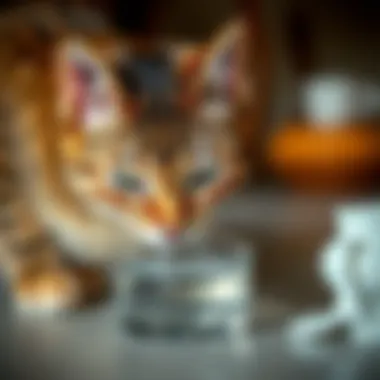
Encouraging water intake is perhaps one of the most critical steps in managing FLUTD at home. Cats are notoriously finicky when it comes to drinking, which makes hydration a tricky affair. It's essential because a well-hydrated cat has a better chance of diluting its urine, which helps prevent crystals from developing. Besides, increased fluid intake can facilitate easier elimination of waste.
To encourage your feline friend to drink more, you can try a few strategies. For instance, using a cat water fountain can entice them to sip more often due to the running water. Cats are instinctively drawn to fresh water, and flowing water can attract their attention more than still bowls. Another option is to occasionally mix a bit of water with their food or offer ice cubes in their water bowl for a bit of fun.
However, keep in mind that if a cat isn't interested in drinking more, it can lead to complications.
Wet vs. Dry Food Considerations
When discussing their food, the debate between wet versus dry food holds a lot of weight. Each option has its own set of advantages and disadvantages. Wet food, often higher in moisture content, can be beneficial in providing the hydration that a cat needs. It can also be more palatable, making it an appealing choice, especially for cats that are less inclined to drink.
On the flip side, dry food can be convenient and shelf-stable, often containing higher caloric density. Yet, it lacks the moisture that is crucial for a cat's urinary health. When considering switching to wet food, it is wise to assess how your cat responds. If they seem to thrive on it and exhibit fewer FLUTD symptoms, it might be a sign that you're on the right path.
Specialized Diets for FLUTD
Prescription Diets
Prescription diets should not be overlooked in the context of FLUTD management. These diets are formulated with specific nutrients designed to dissolve crystalline formations and support overall urinary tract health. They often contain a balance of protein, minerals, and special ingredients meant to create an uninviting environment for crystal formation.
Many veterinarians advocate using these diets due to their scientifically-backed approaches. Still, always weigh the pros and cons, as these diets can sometimes lead to weight gain if not paired with proper portion control.
Home-Cooked Meal Plans
On the contrary, a growing number of cat owners are turning to home-cooked meals as a way to manage their pets' diets. Preparing meals at home allows for control over ingredients, providing the opportunity to cater directly to a cat's health needs. With the right balance of nutrients, these meals can be well-tailored for hydration and health.
Consistency is key, though. If you're considering home-cooked options, consult with your veterinarian to ensure balanced nutrition and avoid deficiencies or excesses. A home-cooked meal can be beneficial, but it also demands careful planning and understanding of a cat's dietary requirements.
Remember that dietary changes should be made slowly and always discussed with a veterinarian to ensure they align with your pet's specific health needs and conditions.
Environmental Considerations
Focusing on the environmental aspects surrounding your cat is crucial when dealing with Feline Lower Urinary Tract Disease (FLUTD). A cat’s environment has a profound impact on its health and well-being. Many owners may not realize that just like humans, cats thrive in spaces that cater to their needs, both physical and emotional. By making simple adjustments, you can create an atmosphere that promotes recovery and prevents future issues.
Litter Box Management
Choosing the Right Litter
Selecting the right litter is fundamental to maintaining a cat's urinary tract health. Clumping litters are often favored because they allow for easy cleaning and help keep the box dry. This is particularly important since cats prefer a clean and dry space for urination. A key aspect of good litter is its ability to absorb moisture effectively while minimizing odors. Natural options like corn or wheat-based litters can be beneficial for cats sensitive to chemicals found in traditional litters.
The unique feature of these types of litters is their reduced dust content, which can be easier on the cat's respiratory system. Though somewhat pricier than conventional litters, the investment can lead to a healthier environment for your pet, making it a worthwhile consideration. However, some cats may not take to the finer textures of these natural options, which is where experimentation comes into play. Consider having a few types on hand to see what your furry friend prefers.
Maintaining Cleanliness
Cleanliness of the litter box is equally crucial. A dirty litter box is a prime suspect for stressed cats, which can exacerbate FLUTD symptoms. Regularly scooping out waste—ideally daily—ensures that your cat has a hygienic place to relieve itself. Deep cleaning should occur weekly, using hot water and unscented soap to avoid irritating your cat with chemicals. Keeping odors at bay is another benefit; a clean box means your pet is less likely to develop stress or anxiety associated with a foul-smelling area.
The unique aspect of maintaining cleanliness lies in its contribution to preventing UTI symptoms from worsening. Failing to regularly clean the box increases the likelihood of infections, ultimately complicating your FLUTD management plan. Some owners might find the routine tedious, but an uncluttered and fresh space pays off in the health of your cat.
Stress Reduction Techniques
Creating a Safe Space

Creating a safe space for your cat entails giving them an area where they can retreat when feeling anxious. Cats are naturally territorial and benefit from having a specific zone they can call their own. This space should be quiet and equipped with comfy bedding, familiar toys, and even treats. The key feature here is comfort; an inviting sanctuary helps your cat feel secure amid the chaos of daily life.
Developing this safe space plays an essential role in combating stress, particularly for cats battling FLUTD. Emotional stress can trigger flare-ups, making it vital to provide these calming atmospheres. Some owners may find that their cats benefit from interactive elements in their spaces, such as scratching posts or hiding spots, further allowing for normal behavior without undue stress.
Minimizing Noise and Activity
Minimizing noise and activity in your home can drastically improve a cat's comfort level. Loud sounds and sudden movements can easily unsettle a cat, especially if they're already dealing with health challenges. A calmer environment lets your cat relax, which is critical for recovery. Turn off loud appliances, keep music and television volumes down, and avoid cluttering common areas with too much activity.
This approach is particularly beneficial for skittish cats who require added peace during times of stress. Reducing disturbances helps regulate their anxiety levels, providing an almost therapeutic effect. It’s a straightforward strategy that may require some effort on your part but can significantly enhance your pet’s quality of life, especially in dealing with FLUTD.
"An inviting and serene environment lets your cat focus on healing rather than on outside disturbances."
Overall, the right environment can make all the difference for your cat when addressing the challenges of FLUTD. Small adjustments—like keeping the litter box clean and ensuring a soothing atmosphere—are effective strategies that any owner can implement. Making these environmental considerations part of your daily routine will have a lasting positive effect on your cat’s health.
Monitoring and Observation
Monitoring and observation serve as the backbone of home treatment for Feline Lower Urinary Tract Disease (FLUTD). It's vital for owners to stay vigilant as they manage their cat's condition. This approach offers multiple benefits: by keeping a close eye on daily symptoms, cat owners can spot changes early, and this can alert them to potential complications. The idea is simple — a proactive stance can lead to better long-term health outcomes for feline companions.
Daily Monitoring of Symptoms
Changes in Urination Patterns
A keen focus on urination patterns is essential. Cats with FLUTD may evolve from regular urination to more frequent trips to the litter box — this can mean anything from small stools to an inability to urinate at all. Monitoring these changes can help owners identify worsening conditions. If a cat that usually goes three times a day suddenly begins straining or producing little to no urine, it's a flag that something more serious might be brewing.
The key here lies in the pattern, not just the frequency. Cats are creatures of habit; any deviations from their norm warrant attention. Noticing these shifts can provide a crucial advantage, as it often leads to timely interventions that could prevent further deterioration of the condition. It may be easy to brush it aside as a short-lived annoyance, but persistent changes can lead to bigger health issues down the line.
Behavioral Changes to Note
Behavioral shifts are equally significant and can influence the home treatment journey. If your usually affectionate cat becomes more withdrawn or shows signs of distress during urination, it could indicate pain or discomfort. Paying attention to these signals provides insight into how the cat is coping and whether the home treatment methods are effective.
Cats often mask their pain; thus, behavioral changes can be the only indication of underlying issues. Sudden aggression, excessive grooming of the genital area, or even refusal to eat can signify that your cat is struggling. These behaviors can be key indicators that treatments may need adjustment, or that it’s time to seek professional help.
When to Reassess the Situation
Recognizing Warning Signs
Understanding the warning signals is critical. There are specific indicators that should prompt immediate reassessment of your cat's condition. Things like persistent vomiting, lack of appetite, or significant blood in the urine are top-of-mind red flags. The characteristic of recognizing these signals can be a lifesaver.
It empowers owners to act swiftly, making informed decisions that hinge on observed changes, guiding them toward seeking vet care before problems escalate. Keep in mind the delicate balance of symptoms — a single symptom might not be alarming, but a combination of several could very well signal an urgent need for reevaluation of treatment.
Deciding on Emergency Veterinary Care
When it comes to emergency veterinary care, knowing when to draw the line can be a challenge. Recognizing the need for immediate help comes down to understanding both physical symptoms and contextual clues. For instance, if your cat seems to be straining to urinate but nothing is coming out, this could result in a medical emergency.
Emergency veterinary care can be instrumental in preventing damage to the urinary tract and other organs. Being prepared with knowledge ensures you can act quickly when necessary. While deciding on emergency care, weigh the severity of symptoms and behavioral changes carefully. It’s better to err on the side of caution; your cat’s health could depend on your ability to measure risk and act accordingly.
Long-Term Management of FLUTD
Long-term management of Feline Lower Urinary Tract Disease (FLUTD) is crucial for ensuring your cat’s wellbeing over time. Dealing with FLUTD isn’t a one-off affair; instead, it’s about creating a sustained approach to help your feline friend live a comfortable life. By focusing on the main areas of continuous dietary monitoring and regular veterinary check-ups, pet owners can make all the difference in preventing recurrent issues and keeping their cats happy.
Continuous Dietary Monitoring
Maintaining a keen eye on your cat's diet is fundamental in managing FLUTD. The right food can not only alleviate current symptoms but also play a pivotal role in preventing future flare-ups. Here's how to get your food choices right:
- Hydration is Key: Ensure that your cat is drinking enough water. Cats are notorious for not drinking enough. Consider offering a pet water fountain to encourage hydration, as moving water tends to attract feline friends more than still water.
- Choose the Right Food: Look for diets specially formulated for cats with FLUTD. Products from brands like Hill's Prescription Diet c/d or Royal Canin Urinary SO are designed to help dissolve urinary crystals and provide balanced nutrition.
- Monitor Ingredients: Keep yourself informed about the food components. Look for high-quality protein sources and avoid fillers that can exacerbate urinary issues.
- Regular Assessment: Just like we vary our meals based on preferences or health needs, observe how your cat reacts to their food over time. If there are consistent patterns of discomfort or urinary issues, it may be time for a dietary reevaluation.
"A cat’s diet influences its health more than you might think. A simple tweak, like changing the type of food, can serve as a real game changer."
Regular Veterinary Check-Ups
Even the best home treatment knowledge won’t replace the need for periodic veterinary assessments. Think of check-ups as a form of insurance against the unknown. Here are some compelling reasons to make those visits a regular part of your cat care routine:
- Early Detection: Regular visits allow for the early detection of new or recurring symptoms. Catching a problem on its early stage often means easier treatment and better outcomes.
- Adjusting Treatment Plans: As your cat ages or their health changes, what worked before may need tweaking. Your vet can recommend specific medications or treatments that are tailored to your cat's current health needs.
- Preventive Care: Regular check-ups help in preventing the development of further urinary tract problems. Blood tests, urinalysis, and other examinations can significantly reduce the possibility of serious health issues down the road.
- Peace of Mind for Owners: Visiting the vet can minimize anxiety for both you and your pet. Knowing you are keeping up with necessary health care can ease worries about unseen troubles.
Ending
The journey through managing Feline Lower Urinary Tract Disease (FLUTD) at home is not just about immediate remedies; it’s about understanding the condition and tailoring care to individual needs. Cat owners stand on the front lines of their pet's health, armed with strategies that can yield substantial benefits in both symptom management and overall wellbeing.
Recap of Home Treatment Strategies
To recap, there are several vital strategies that every cat owner should consider when managing FLUTD. First, dietary adjustments play a crucial role – ensuring your cat is hydrated can help flush out any unwanted crystals or irritations. Offering a balanced diet, whether through specially formulated prescription diets or well-curated home-cooked meals, is essential.
In addition, environmental considerations cannot be overlooked. A clean and serene environment can significantly ease stress, which is often a contributing factor to FLUTD. The right litter and maintaining it impeccably can make all the difference for your feline companion.
Finally, persistent monitoring is the name of the game. Keeping an eye on changes in urination patterns can offer early insights into your cat's health status, making it easier to act before symptoms worsen.
Encouragement for Ongoing Care
Engaging in constant care and vigilance is vital. While home treatment strategies can significantly improve a cat’s quality of life, they should be viewed as part of a larger continuum of care. Regular veterinary check-ups are necessary, as professionals can provide insights and adjustments that home observations might miss.
Encouragement in these cases means being proactive rather than reactive. If you note any signs of worsening health or new symptoms, do not hesitate to head back to the vet. Each cat is unique, and their treatment plans may need fine-tuning over time. Keep nurturing that relationship with your vet; they can be a crucial ally in this journey.
Feline Lower Urinary Tract Disease can be daunting, but with the right tools and knowledge, pet owners can navigate this challenge confidently. Choose a holistic approach, and you'll likely see not just an improvement in your cat's symptoms, but also a deepened bond built on care and understanding.