Discover the Western Pennsylvania Humane Society

Intro
The Western Pennsylvania Humane Society is not just a shelter; it’s a lifeline for countless animals in need. Established with a vision to foster humane treatment and advocacy for pets, this organization has evolved over the years, adapting its approach to better serve the community. As we explore its history and mission, we'll also dive into the invaluable services provided, the significance of adoption, and how the community can engage in fostering animal welfare. This examination gives a holistic view of the pivotal role the Humane Society plays, not only in the lives of animals but also in strengthening the human-animal bond.
Pet Care and Grooming
Taking care of a pet is a responsibility that goes beyond simply providing food and shelter. Pet care and grooming are essential aspects of ensuring that our furry companions are healthy and comfortable. Understanding the significance of regular care can make a world of difference.
Importance of Regular Care
Routine care is not just about keeping your pet looking good; it directly influences their health and well-being. Regular grooming removes dead hair and dirt, minimizes the risk of skin issues, and allows for early detection of potential health problems. Plus, it helps in keeping bad odor at bay!
Grooming Techniques by Pet Type
Each pet requires special attention based on their breed and physical characteristics. Here’s a breakdown:
- Dogs: Brush regularly to prevent matting, and introduce bathing as necessary depending on their activity levels.
- Cats: Depending on their fur length, brushing once a week to daily can keep their coat healthy.
- Small Animals: Guinea pigs and rabbits can also benefit from occasional brushing to remove loose fur and debris.
Tools and Products Recommendations
Choosing the right tools is crucial for effective grooming. A good brush can make all the difference—look for a slicker brush for long-haired pets or a bristle brush for short-haired ones. Additionally, premium grooming shampoos specific to pet types can help maintain their skin and coat health without irritation.
Seasonal Care Tips
With weather changes, your pet’s grooming needs may shift as well. In summer, trimming can help them beat the heat, while in winter, increasing brushing frequency can help handle shedding and maintain a healthy coat throughout the chilly months.
Health and Nutrition
The cornerstone of a pet's well-being is good health, closely tied to proper nutrition. Understanding the nuances of pet diets can help owners make informed decisions regarding their pets.
Understanding Pet Nutrition
Reading food labels might seem simple, yet it's essential for ensuring your pet gets balanced nutrition. Look for quality proteins as the main ingredients and avoid foods with excessive fillers or artificial additives. Each type of pet has different dietary needs, and consulting with a vet can help tailor the best diet.
Common Health Issues by Species
Each species presents unique health concerns. Dogs are often prone to hip dysplasia and obesity, while cats may face issues like diabetes or dental disease. Regular checks can help identify and address these problems earlier.
Preventive Care and Regular Check-Ups
As the saying goes, an ounce of prevention is worth a pound of cure. Routine vet visits allow for vaccination updates, health assessments, and discussions on nutrition—all vastly beneficial for maintaining a long, happy life for pets.
Food and Dietary Advice
When selecting pet food, aim for options rich in protein and low in fillers like corn or soy. Many pet owners might not realize that a switch can lead to a visibly healthier pet.
Behavioral Training
Training is often overlooked, but it plays a crucial role in ensuring that pets are well-adjusted and socially acceptable.
Basics of Positive Reinforcement
Positive reinforcement helps foster a connection between good behavior and rewards. Treats, praise, or playtime can motivate pets to repeat desirable actions.
Training Techniques Users Can Apply
Simple commands such as "sit," "stay," and "come" can greatly enhance the relationship you have with your pet. Short, consistent training sessions help animals learn effectively.
Managing Behavioral Issues
Understanding the root of behavioral issues can aid in developing effective solutions. If Fido barks at every noise, exploring potential triggers and desensitizing them can work wonders.
Importance of Socialization
Socializing pets early helps them adapt to various experiences positively. Introduce them gradually to different environments and fellow animals to nurture confidence and adaptability.
Engaging Activities and Enrichment
Keeping pets engaged is vital in ensuring their happiness. Boredom can lead to negative behaviors, so engaging activities are key.
Fun Games to Play with Your Pet
Interactive games like fetch or hide-and-seek provide physical and mental stimulation. Moreover, puzzle toys can challenge pets, keeping them entertained for hours.
DIY Toys and Activities
Creating toys from household items can be fun. A simple sock can become a tug toy, and a cardboard box offers plenty of entertainment for cats.
Importance of Mental Stimulation
Mental workouts are just as essential as physical ones. Consider teaching tricks or setting up an obstacle course to challenge your pet’s intellect.
Outdoor Adventures and Exploration
Taking your pet outside isn’t just beneficial for physical health; it also satisfies their natural curiosity. Walks, hikes, or trips to pet-friendly parks are great ways to bond.


Resources and Community Engagement
To deepen the understanding of pet care, various resources offer valuable insights to both new and seasoned pet owners.
Recommended Books and Websites
Seek out informative books focused on animal care and behaviors. Websites like American Humane and ASPCA provide a wealth of knowledge on welfare and responsible pet ownership.
Forums and Groups for Pet Owners
Connecting with fellow pet owners can lead to shared experiences. Reddit houses communities like r/pets and r/dogs that discuss various topics related to care and training.
Finding Local Services and Classes
Check your local community boards or websites for dog training classes or pet care workshops, which can be enriching for both pets and their owners.
Encouraging Community Sharing and Contributions
A collaborative community strengthens the bond within the neighborhood’s pet owners. Whether through events, fundraising, or simply sharing resources, collective support fosters a brighter future for all animals.
Overview of the Western Pennsylvania Humane Society
The Western Pennsylvania Humane Society holds a pivotal spot in the landscape of animal welfare within the region. It isn’t just another shelter; it is a sanctuary where the stories of countless animals unfold and where lives are transformed daily. Recognizing this organization’s role allows for a deeper understanding of the community’s responsibility towards its four-legged residents and the impact of humane practices.
History and Founding
The roots of the Western Pennsylvania Humane Society go back to the late 19th century when it was established to combat the suffering of animals and promote their rights. Over the years, the Society has evolved, but the spirit of its founding remains intact. Imagine a time when stray animals were largely neglected, and the concept of animal welfare was just budding. This organization stepped onto the scene, advocating for those who couldn’t speak for themselves.
It was founded by dedicated individuals who saw the need for compassion towards animals. In the early days, efforts were more about rescue and fewer about rehabilitation, but as society's understanding deepened, so did the Humane Society’s approach. Each decade brought innovations in care and shelter management, making it a leader in animal welfare not only in Pennsylvania but also as a model for many similar organizations across the nation.
Mission and Vision
The mission of the Western Pennsylvania Humane Society reflects a commitment not just to animal rescue, but also to education and community involvement. The goal is to improve the lives of animals and build stronger bonds between pets and their human counterparts. They believe that every animal deserves a second chance, and this belief fuels their tireless work.
Their vision transcends mere sheltering. It includes a proactive approach to reduce animal overpopulation, enhance community education regarding responsible pet ownership, and provide quality care for all animals in their precincts.
"A compassionate community begins with a humane understanding of animal needs."
This encapsulates their approach. Programs are not just about saving lives; they focus on preparing adopters, ensuring that pets do not return to the shelter due to preventable behavioral issues or misunderstanding of their needs.
In essence, the Western Pennsylvania Humane Society is much more than a refuge; it’s a comprehensive resource for animal welfare advocacy. By addressing the issues surrounding pet ownership and animal welfare holistically, it fosters a community of responsible pet owners who contribute to the well-being of their furry companions.
As the Society reflects on its legacy, it continually adapts to the present-day challenges, ensuring that its purpose remains relevant and impactful. All these facets come together to create a vibrant organization that not only saves lives but also promotes a culture of compassion and responsibility toward animals.
Programs and Services
The Programs and Services offered by the Western Pennsylvania Humane Society stand as the backbone of its mission to support animal welfare and connect pets with loving homes. These initiatives are not merely services; they are lifelines for countless animals and crucial resources for the community at large. Understanding the various facets of these programs can enlighten prospective adopters as well as animal lovers on the profound impact they bring not just to animals but also to people.
Adoption Services
Adopting a pet is a life-changing decision, laden with excitement and responsibilities. The adoption services of the Western Pennsylvania Humane Society are designed to streamline this process. Individuals interested in bringing a furry friend into their home can expect thorough guidance. Potential adopters are taken through various steps including applying, meeting pets, and an interview process that ensures a good match between pet and owner. This is not just about finding a pet; it’s about creating lasting companionship.
Some of the key benefits of the adoption services include:
- Access to a Variety of Pets: From playful puppies to wise elder cats, the shelter offers a broad spectrum of pets, each with unique personalities and traits.
- Health Assurance: Each adopted pet undergoes health evaluations, vaccinations, and spaying/neutering, ensuring that these animals are ready for their new homes.
- Post-Adoption Support: New pet parents have access to resources and advice to ease the transition into pet parenthood.
"Adopting a pet is the start of a beautiful journey filled with unconditional love and loyalty."
Foster Care Programs
Foster care programs play a vital role in accommodating pets who may need extra attention or care before they reach their forever homes. The Humane Society enlists community members to offer temporary homes to animals, which alleviates overcrowding at the shelter and provides a nurturing environment for pets who may be anxious or in less than ideal situations.
The significance of foster care cannot be overstated:
- Socialization: Pets in foster homes experience more personal interactions, helping them adapt better to new environments.
- Health Recovery: Animals recovering from illness or injury benefit from the specialized care they receive in a home, where they can rest comfortably.
- Increased Adoption Chances: Animals that are well-socialized typically have a higher chance of being adopted since they exhibit positive behaviors during adoption events.
Spay and Neuter Initiatives
The Humane Society's spay and neuter initiatives are critical in the ongoing effort to manage pet overpopulation. By providing low-cost spay and neuter services, they encourage responsible pet ownership. This program not only combats the issue of overpopulation but also contributes to the health and behavioral benefits for pets.
Some vital points about these initiatives include:
- Reduced Stray Population: Spaying and neutering significantly decrease the number of unwanted litters, hence diminishing the stray population in communities.
- Health Benefits: Pets that undergo these procedures tend to live healthier lives, with lower risks of certain diseases and behavioral issues.
- Community Education: The Humane Society actively educates pet owners on the importance of spaying and neutering, fostering a culture of responsible pet ownership.
Behavior and Training Support
Behavior and training support services are essential as they seek to address behavioral issues that might otherwise hinder adoption or lead to pets being returned to shelters. The Western Pennsylvania Humane Society offers guidance and resources to educate adopters on proper training techniques and behavioral management.
Key aspects of this support include:
- Workshops and Classes: These sessions, led by experienced trainers, equip pet owners with skills to teach basic commands and address behavioral challenges.
- Resource Availability: Pet owners can access training materials, online resources, and one-on-one consultations to help ensure their animal's successful integration into family life.
- Promoting Understanding: Training support not only helps with obedience but also fosters a deeper understanding of the pet’s needs and behaviors, enhancing the owner-pet bond.
By bringing attention to these programs and services, the Western Pennsylvania Humane Society reinforces its commitment to the welfare of animals and the enrichment of lives through responsible pet ownership.
Community Engagement
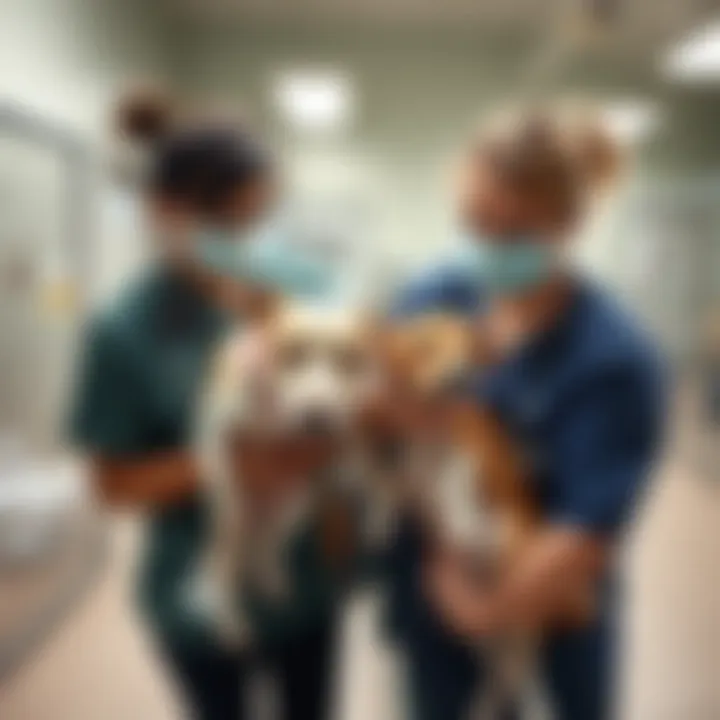
Community engagement is an essential thread in the fabric of the Western Pennsylvania Humane Society. It acts as a bridge that connects the organization with people, fostering relationships that enhance animal welfare. When local individuals become engaged, they not only support the humane society but also promote a culture of compassion and humane treatment towards all animals. The ripple effects of such involvement can be seen throughout the community, as it raises awareness about the needs of animals and the importance of responsible pet ownership.
The benefits of community engagement are manifold. First, it encourages more adoptions by increasing visibility. When people see others getting involved, they are more likely to consider adopting a pet themselves. Additionally, engagement helps in resource mobilization. Volunteers and supporters often bring new skills, ideas, and financial support that enhance the organization's capacity to operate effectively.
Coupled with this, public perception plays a key role. When the community sees the humane society thriving, it nurtures a positive image around animal welfare. Furthermore, engaged citizens become advocates themselves. They share their experiences, creating a network of informed individuals who can spread knowledge about responsible pet care and the humane treatment of animals.
Volunteer Opportunities
Volunteering is a vital pillar in sustaining the initiatives of the Western Pennsylvania Humane Society. Volunteers help carry the load of daily operations, aiding in everything from animal care to outreach programs. With various roles available, individuals can find something that fits their skills and interests.
Roles might include:
- Animal Care: Feeding, grooming, and socializing with animals.
- Event Support: Helping organize community events or fundraising activities.
- Education: Leading workshops and training sessions for potential adopters or schools.
Not only do volunteers provide invaluable service, but they also create bonds with the animals and other community members, leading to a more connected and active community. In fact, many people discover a passion for animal welfare through these volunteer opportunities, enhancing their lives along the way.
Educational Outreach
Educational outreach initiatives are a primary focus for the Western Pennsylvania Humane Society. They provide a chance to engage with the community and raise awareness about animal welfare issues. Classes and workshops often target schools, community organizations, and youth groups. The focus typically includes topics such as responsible pet ownership, the significance of spaying and neutering, and the benefits of adopting from shelters.
"An educated community is a compassionate community. Our outreach aims to foster lasting relationships between people and animals." - Western Pennsylvania Humane Society Outreach Coordinator
Additionally, information sessions and demonstrations help demystify common misconceptions about shelter animals. Many people might think that shelter pets are inherently troubled or difficult, but educational outreach can shift these perceptions, leading to an increase in adoptions. The interaction cultivates a sense of responsibility among participants, showing them that their choices have consequences for animals in need.
Partnerships with Local Organizations
Forming partnerships with local organizations amplifies the impact that the Western Pennsylvania Humane Society can have within the community. Collaborations often involve working with schools, local businesses, and government agencies to promote animal welfare and community education. Such partnerships foster shared goals and resources.
For instance, teaming up with local pet stores can result in joint events like adoption drives, thereby reaching a wider audience. Schools might collaborate on educational programs, sharing resources to teach children about empathy and humane treatment of animals. On a larger scale, working with local government can bring necessary policy changes that benefit animal welfare across the board.
Partnerships also pave the way for fundraising opportunities, creating a sense of unity within the community. By pooling resources and expertise, the humane society and local organizations can work towards innovative solutions that tackle some of the pressing issues related to animal welfare today.
In summary, community engagement is a multi-faceted approach that not only supports the Western Pennsylvania Humane Society but also enriches the entire community. By fostering volunteer opportunities, engaging in educational outreach, and forming strategic partnerships, the humane society ensures a brighter future for both animals and humans. Through collective efforts, there is a distinct possibility of a more ethical and compassionate society.
The Adoption Process
Adopting a pet is not just a trend; it’s a commitment, a chance to provide a loving home to an animal in need. The adoption process at the Western Pennsylvania Humane Society has been designed with care, ensuring that each pairing between human and animal is thoughtful and beneficial for both. The significance of this process lies not just in finding homes but also in educating potential adopters about the responsibilities of pet ownership.
Steps to Adopt
When considering adoption through the Western Pennsylvania Humane Society, prospective pet owners are guided through several steps.
- Visit the Shelter: The first move is to explore the shelter. This gives potential adopters the opportunity to meet various animals and observe their personalities. Each pet has its own story, and meeting them can truly make a difference.
- Complete an Application: Interested individuals then fill out an adoption application. This step is crucial. The application helps the shelter understand the home environment, including whether the individual lives alone or with family, and if there are other pets. They want to ensure compatibility.
- Interview and Assessment: Next, the shelter staff conducts an interview. This isn't a grilling session; rather, it’s a conversation that allows staff to provide insights on the animal’s behaviors and needs. It’s all about making a match that works.
- Meet-and-Greet: Once an application is approved, a meet-and-greet with the selected pet is arranged. This aids in assessing the chemistry between the potential owner and their new furry friend. Sometimes, it just clicks; other times, the fit isn’t right, and the process allows for different choices until the perfect companion is found.
- Finalizing Adoption: After a successful meet-and-greet, paperwork is finalized. The new owner typically pays an adoption fee, which generally covers initial vaccinations and spaying or neutering. This contributes not just to the financial sustainability of the shelter but also to ensuring all pets leave in the best health possible.
- Home Check (if applicable): In some cases, particularly for certain breeds or special needs animals, a home check may be conducted to ensure a safe and suitable environment.
The steps taken are not mere formalities. They foster a sense of responsibility and ensure that every individual knows the commitment they are making.
Post-Adoption Support
Adopting a pet is merely the beginning of a lifelong journey, and the Western Pennsylvania Humane Society recognizes this. They offer post-adoption support, contributing significantly to the success of the adoption.
- Follow-up Calls: Staff members often check in with adoptive families to see how things are going. This also provides a space for new owners to ask questions that might arise in the first few weeks.
- Resources and Guidance: The shelter provides resources on training, behavioral issues, or health concerns. Transitioning pets from a shelter to a home can involve hurdles. Having access to guidance helps new pet owners navigate these challenges with more confidence.
- Return Policy: In the unfortunate event that an adoption doesn’t work out, having a policy that allows for the return of the pet without guilt is essential. It reinforces the idea that both the pet and the owner deserve a good fit.
“The best part about adopting a pet is knowing that you have made a significant difference in their life.”
By offering comprehensive post-adoption support, the Western Pennsylvania Humane Society stands firm in its belief that the welfare of animals extends beyond mere placement. After bringing a furry friend home, the journey continues, full of learning and love.
Animal Welfare Advocacy
Animal welfare advocacy plays a pivotal role within the scope of the Western Pennsylvania Humane Society. It’s not just about finding homes for animals; it’s about championing their rights and ensuring their overall well-being. Advocating for animal welfare encompasses a wide range of activities aimed at improving conditions for animals both in shelters and in everyday life. This advocacy brings critical issues to light, such as the ethical treatment of animals and the necessity of humane laws. By raising awareness of these matters, the Humane Society strengthens community ties and prioritizes the humane treatment of all animals.
Legislation and Advocacy Efforts
Legislative efforts form the backbone of effective animal welfare advocacy. The work of the Western Pennsylvania Humane Society in this area includes lobbying for laws that protect animals from abuse and neglect. For instance, changes in leash laws, mandatory spay and neutering laws, and the regulation of breeding practices are all significant efforts aimed at reducing the number of homeless pets. Through dedicated advocacy campaigns, the Humane Society has successfully influenced local and state officials to prioritize animal welfare legislation.
Benefits of these advocacy efforts include:
- Enhanced Protection: Stricter laws contribute to greater protection for animals, reducing incidents of abuse.
- Awareness Raising: Each campaign helps educate the public about responsible pet ownership.
- Resource Allocation: Improved laws can lead to increased funding for shelters and educational programs.
The ongoing efforts to create change extend to coordinating with other organizations, sharing knowledge, and adopting successful initiatives that can be implemented locally. These partnerships amplify their voice, ensuring that the rights of the animals are addressed thoroughly.
"Together, we can create a world where animals are treated with the respect and kindness they deserve."
Community Awareness Campaigns
Raising community awareness about animal welfare challenges is equally essential. The Western Pennsylvania Humane Society engages in various campaigns aimed at fostering a culture of responsibility and compassion towards animals. These campaigns often include public events, workshops, social media outreach, and collaboration with local media to highlight critical issues.
Some common themes in awareness campaigns include:
- The importance of adopting pets instead of shopping for them.
- Education on proper pet care and training.
- Awareness about puppy mills and the implications of supporting them.
- Resources available for spaying and neutering to combat overpopulation.
By informing the community, the Humane Society not only works to decrease the number of animals in shelters but also creates a culture where animal care is prioritized and promoted. Effective community engagement cultivates a sense of responsibility among pet owners, creating an understanding that every pet deserves a loving home and a safe environment.
Through these efforts, the advocacy of animal welfare expands well beyond the confines of the shelter, instilling a sense of shared duty in community members. This is essential for changing perceptions about animal responsibility and ensuring that future generations understand the value of compassionate stewardship.
Challenges Faced by Animal Shelters


Animal shelters play a crucial role in the ecosystem of animal welfare, yet they are not without their hurdles. The challenges that confront these organizations can significantly impact their efficiency and ability to care for animals. Understanding these obstacles is vital, as they should success and sustainability. Elevated awareness can lead to better resource allocation, community support, and advocacy efforts.
Overpopulation Crisis
One of the most pressing concerns confronting animal shelters is the overpopulation crisis. Each year, countless animals are surrendered or abandoned, leading to an overwhelming influx of pets that shelters must accommodate. This situation creates a domino effect:
- Limited space: Shelters often operate at full capacity or beyond, making it difficult for them to accept new animals in need.
- Increased euthanasia rates: When faced with overcrowding, shelters may be forced to make heart-wrenching decisions, resulting in euthanasia.
This challenge is exacerbated by the fact many of these animals are perfectly healthy and loving. The crisis calls for innovative solutions, such as greater community involvement in fostering pets temporarily, which provides some breathing room for shelters and helps animals find more permanent homes.
Funding and Resource Limitations
As the saying goes, "It takes money to make money," and animal shelters can often face significant funding and resource shortages. Relying on donations, grants, and volunteer efforts can make it difficult to maintain a steady flow of resources. When budgets are tight, it becomes challenging to:
- Provide adequate care: Animal health services, nutrition, and basic sheltering depend heavily on available funds.
- Staffing: Many shelters rely on volunteers, but inconsistency in staffing can lead to burnout and a lack of continuity in care.
- Outreach programs: Educational initiatives about responsible pet ownership and spay/neuter programs often fall by the wayside due to financial constraints.
Collaborative fundraising events can go a long way to lessen the burden, bringing the community together and spreading awareness of the need for support.
Public Perception and Stigma
Even amidst the struggle of animal welfare, some lingering misconceptions prevail. The public's perception of shelters can adversely affect their operations and adoption rates. There are often two primary issues at play:
- Negative stereotypes: Some people equate shelter animals with behavioral problems or health issues, which can create stigma around adoption.
- Misunderstanding shelter work: The public may not fully appreciate the tireless efforts that staff and volunteers invest into these facilities to improve animal lives.
To counteract these preconceived notions, shelters and advocates must actively engage in awareness campaigns that showcase success stories and transformations. Changes in public sentiment can lead to higher adoption rates and ultimately contribute to a brighter future for animals in need.
Impact of the Humane Society
The influence of the Western Pennsylvania Humane Society extends beyond the tangible act of saving animals; it touches the very fabric of the community itself. The society operates as a crucial entity that fosters not only a safe haven for animals in distress but also promotes a culture of compassion, education, and responsibility. Understanding their impact can elucidate how such organizations shape communities and influence the lives of people and pets alike.
Success Stories
Examining success stories can truly illuminate the beneficial ripple effect initiated by this humane society. For instance, consider a dog named Max who was rescued from dire circumstances. Abandoned and malnourished, he caught the attention of a dedicated staff member who saw not merely a lost creature but an opportunity for transformation. After being nursed back to health and undergoing training programs designed by the humane society's experts, Max found a loving home. His story reflects not just the rescue of a single animal, but also the many lives he subsequently touched through the joy he brought to his new family.
"Each adoption is a unique success story that reflects hope, healing, and community connection."
Moreover, the humane society frequently hosts events that highlight real-life transformations like Max's. By promoting these narratives, they encourage the public to engage with their mission and sometimes, even spark the desire for potential adopters to take a leap of faith.
Measuring Outcomes and Effectiveness
When delving into outcomes, it becomes vital to recognize measurable factors that help assess the effectiveness of the society's programs. For starters, statistics surrounding adoption rates serve as a concrete indicator of success. The humane society's annual reports often show a consistent rise in adoption figures year after year, suggesting their initiatives resonate within the community.
Other key metrics include the number of animals successfully placed in foster care, the outreach success of their educational campaigns, and the community involvement in volunteering or donations. Each number on a page represents lives saved, education provided, and efforts amplified.
To illustrate this further, a recent internal survey shed light on how many adopters reported increased awareness about responsible pet ownership after interacting with the humane society. Seeing this shift in public perception underscores the effectiveness of their educational programs. When clarity and understanding grow in the community, the societal perception of animal welfare improves.
Getting Involved
Getting involved with the Western Pennsylvania Humane Society is more than just an act of kindness; it’s a commitment that resonates deeply within the community. The humane society thrives not only on the donations it receives but also on the enthusiasm and dedication of volunteers and supporters who wish to make a tangible difference in the lives of animals in need. Engaging with this organization can extend beyond mere financial support, creating a path for deeper connections and contributing to the greater good.
When individuals or community groups decide to lend their support, the benefits are manifold. Firstly, contributions—whether monetary or in kind—can help sustain the operation of the shelter, covering essential costs such as food, medical care, and housing for the animals. Also, active participation allows community members to witness firsthand the impact of their support. This creates a cultural cycle of compassion, inspiring others to join in and aid the initiative.
Additionally, involvement in this humane society gives voice to the voiceless. By standing up for animal rights and welfare, supporters directly participate in necessary conversations around animal care and humane treatment.
"Everyone can make a difference; they just need to find the right cause to inspire them."
Donations and Fundraising
One key way to get involved is through donations and fundraising efforts. Even a small contribution can lead to big changes. For instance, regular monthly donations can provide the humane society with a steady stream of income, which is crucial for planning future initiatives and maintaining the quality of care provided to the animals. Furthermore, many corporations match employee donations, effectively doubling the support.
The humane society also hosts a variety of fundraising events throughout the year. This includes events like charity walks, auctions, and community gatherings where the focus is on animal welfare. Not only do these events raise much-needed funds, but they also educate the public about the work being done and how they can contribute. Those looking to contribute can also organize their own fundraising initiatives, rallying friends and family to support the cause.
Community Events and Participation
Community events represent another vital avenue for engagement. The Western Pennsylvania Humane Society frequently organizes activities designed to bring together animal lovers and advocates from all walks of life. Events such as adoption drives and pet fairs foster community spirit while placing animals into loving homes.
Participation in these events often extends beyond just attendance. Volunteers have the option to assist in a variety of capacities, whether it’s helping to set up, manage booths, or promote the cause. This not only increases visibility for the society but also builds a vibrant community of like-minded individuals.
Moreover, attending or volunteering at such events provides an authentic opportunity to connect with the animals— a compelling motivator for many who may be considering adoption. By fostering these interactions, community events can turn potential adopters into the next loving pet owners.
In summary, getting involved with the Western Pennsylvania Humane Society opens up avenues for meaningful engagement, philanthropy, and a shared commitment to promoting animal welfare. With every donation, fundraising effort, or participation in community activities, individuals and groups contribute to a thriving ecosystem that benefits not just the animals, but the entire community.
Future Directions
As the Western Pennsylvania Humane Society looks toward the future, it's vital to consider the evolving landscape of animal welfare. Communities change, technology advances, and new challenges arise. This section underscores the significance of strategic planning and innovation in sustaining the mission of the Humane Society. The steps taken now will not only impact current programs but also shape the effectiveness of future endeavors.
Strategic Plans and Goals
Strategic plans are not merely a collection of lofty ideals; they form a roadmap for action. The Humane Society's future goals should include increasing adoption rates, expanding community outreach, and enhancing educational programs. These objectives aren’t set in stone, but they do provide a framework for focused efforts.
One goal might be to strengthen partnerships with local businesses and organizations. Resources like sponsorship programs or collaborative events not only increase visibility but can also bring in additional funding. It's a win-win. Moreover, prioritizing spay and neuter options aims to address the ongoing overpopulation crisis, which remains a pressing concern.
"By setting measurable goals, we can track progress and adapt our strategies to better serve the community and its animals."
Educational ambitions should also not be overlooked. Workshops that target both adopters and pet owners could end up fostering responsible pet ownership, reducing returns to shelters. It's essential to always evaluate needs within the community and adapt strategies accordingly.
Innovations within Animal Welfare
Innovation in animal welfare isn't just about shiny new technologies; it can also involve creative approaches in programs and outreach. For instance, introducing mobile adoption units could broaden the reach into communities that have limited access to the shelter. Such initiatives could bring potential adopters directly to animals in need, making it easier for families to meet their future pets.
Additionally, enhancing the virtual adoption process through technology, like using augmented reality, can allow prospects to envision how a pet would fit in their lives prior to physical interaction. This not only engages younger audiences but also streamlines the adoption experience.
The overall goal remains clear – improving animal welfare requires both tradition and forward-thinking strategies. Progress hinges on adopting new ideas while still honoring the core mission of compassion and support for animals and their humans.